Key Takeaways:
- To filter cold brew coffee, you can use cloth, paper, metal mesh, or a French press.
- Double filtering gives the smoothest results and removes sediment.
- The best method depends on whether you value clarity, eco-friendliness, or convenience.


🌞 Ever wondered how to filter cold brew coffee without ending up with gritty sips or a muddy taste? You’re not alone! For many home brewers, filtering is the biggest pain point. Cold brew coffee is basically your regular coffee’s chill cousin—brewed with cold water over a longer period, usually 12 to 24 hours.
But here’s the kicker: not all cold brews are made equal. The secret sauce? It’s all in the filtering, my friends. Filtering your cold brew is like giving it a VIP pass to Flavor Town. It’s the difference between a good cup and an “I-can’t-live-without-this” cup.
So, why should you care about filtering? How to filter cold brew coffee? Stick around, and you’ll find out!
Why Filtering Matters in Cold Brew Coffee
Filtering is the unsung hero in the cold brew world. It’s like the bassist in a rock band—often overlooked but crucial for that perfect harmony. Let’s dive into why it’s so darn important.
Need a Few Simple Tools for Better Home Brewing?
Browse practical Amazon Basics coffee and kitchen gear for grinding, brewing, storing, and setting up your everyday coffee corner.
Paid link. As an Amazon Associate we earn from qualifying purchases.
Flavor Profile
Ever had a cold brew that tasted more like muddy water than coffee? Yuck! 🤢 That’s what happens when the filtering goes wrong.
Proper filtering captures the essence of the coffee bean. It lets the bold flavors shine while leaving the bitterness behind.
Imagine biting into a juicy peach; that’s what a well-filtered cold brew should taste like—pure, intense, and oh-so-refreshing!
Texture and Consistency
Ah, texture—the unsung melody of any great drink. 🎶 You want your cold brew to be as smooth as a jazz saxophonist on a Saturday night. Filtering ensures that you don’t get any of those gritty bits that make you go, “What was that?!”
Think of it like sifting flour for a cake. You wouldn’t want lumps in your dessert, right? Same goes for your cold brew. A smooth texture means a smoother, more enjoyable sip every time.
So, are you ready to become a cold brew filtering pro? Keep reading, and you’ll be a maestro in no time! 🎵
How to Filter Cold Brew Coffee? Types of Filters You Can Use

Alright, let’s get down to the nitty-gritty—filters! 🎉 Just like picking the perfect pair of jeans, choosing the right filter can make or break your cold brew experience. So, let’s explore our options, shall we?
1. Cloth Filters
Cotton, Nylon, and Mesh Products
Imagine your cold brew as a Hollywood star. A cloth filter is like the makeup artist, subtle but transformative. You’ve got options like cotton, nylon, and even mesh products.
- Cotton: Think of it as the classic white tee—simple, effective, but can absorb some coffee oils.
- Nylon: This is your high-tech moisture-wicking sports shirt. It’s durable and easy to clean.
- Mesh: Imagine a fishnet stocking—sexy but not always practical for everyday use.
Pros and Cons
- Pros:
- Super easy to clean.
- Reusable, so Mother Earth will thank you! 🌍
- Great for capturing finer coffee particles.
- Cons:
- Can absorb coffee oils, affecting flavor.
- Might require double filtering for a cleaner brew.
2. Paper Filters
Effectiveness and Drawbacks
Paper filters are like the librarians of the coffee world—super effective but a bit finicky. They catch even the tiniest of coffee particles.
- Effectiveness: Imagine a goalie that blocks every shot. That’s your paper filter.
- Drawbacks: They can get clogged and take longer to filter. Also, they’re single-use.
Tips to Enhance Filtration
- Pre-wet the filter to get rid of any paper taste.
- Consider a pre-filter stage with a coarser filter to speed things up.
3. Metal Mesh Filters
Discuss Flavor Alteration
Metal mesh filters are the rockstars of the filter world—bold and daring. But, they can sometimes add a metallic taste. Think of it as adding too much salt to your food; it changes the flavor.
Best Practices
- Don’t let the coffee sit too long in the filter.
- Rinse the filter well before and after use.
4. French Press
How to Use a French Press for Cold Brew
Ah, the French press—elegant, sophisticated, and oh-so-European! 🗼 It’s like making cold brew in a tuxedo. Just add your coffee and water, let it steep, and then press the plunger down. Voila!
Pros and Cons
- Pros:
- Super easy to use.
- No need for extra filters.
- Cons:
- Leaves some sediment.
- Not the best for large batches.
So, what’s your filter soulmate? Cloth, paper, metal mesh, or the classy French press? Each coffee filter has its own charm and quirks, just like us! Choose wisely, and may your cold brews be forever tasty! 🥳


The Advantages of Cold Brew Coffee
So, you’re sold on the whole cold brew thing, huh? Awesome! 🎉 But just in case you need a little more convincing, let’s talk about why cold brew is the Beyoncé of the coffee world—flawless, versatile, and always a crowd-pleaser.
Ease of Making
- Set and Forget: Seriously, it’s like making instant noodles but way classier. Mix water and coffee grounds, let it sit, and you’re golden.
- No Fancy Gear: You don’t need a lab full of gadgets. A jar and a filter are all it takes.
Imagine this: You set up your cold brew before bed, and by morning, it’s ready. It’s like having a coffee fairy visit you every night!
Cost-Effectiveness
- Save Those Bucks: No more daily trips to the coffee shop. Your wallet will thank you!
- Bulk Brewing: Make a big batch and store it. It’s the Costco approach to coffee.
Think about it. How much do you spend on coffee each week? With cold brew, you could be rolling in the savings!
Flavor
- Smooth Operator: Cold brew is smoother than a jazz playlist on a rainy day.
- Versatile: Want it strong? Dilute less. Want it light? Add more water or milk.
Ever had coffee that dances on your tongue? That’s cold brew for you—each sip is a flavor fiesta!
So, are you ready to join the cold brew revolution? Trust me, once you go cold, you never go back! 🎈
Step-by-Step Guide to Filtering Cold Brew
Alright, folks, it’s showtime! 🎬 Let’s turn you into a cold brew wizard with a step-by-step guide on how to filter cold brew coffee. Grab your wand—err, I mean, your coffee grounds—and let’s get brewing!
1. Preparation
Coffee to Water Ratio
- The Golden Rule: Aim for a 1:5 ratio. That’s one part coffee to five parts water.
- The Flex: Want it stronger? Go 1:4. A bit lighter? Try 1:6.
Picture this: You’re a chef, and you’re balancing flavors. Too much coffee? Overpowering. Too little? Meh. Find your sweet spot!
Ideal Steeping Time
- Minimum: 12 hours. It’s like marinating a good steak; it needs time.
- Maximum: 24 hours. Any longer and you’re entering the “too bold” territory.
Imagine your coffee as a fine wine. It needs time to mature, to develop those rich, complex flavors. Patience is key!
2. Filtering Process
Single vs. Double Filtration
- Single Filtration: Quick and easy, but might leave some sediment.
- Double Filtration: Takes longer but gives you that crystal-clear liquid gold.
Think of it like Instagram filters. One might do the job, but layering a couple? Picture perfect!
3. Tips for Effective Filtering
- Pre-filter: Use a coarser filter first to catch the big stuff.
- Final Stage: Use a finer filter to catch the micro-particles.
It’s like panning for gold. You shake off the big rocks first and then sift for those tiny nuggets of pure gold.
Expert Tips for the Perfect Cold Brew

Discuss the Quality of Coffee Beans
- Go Fresh: Freshly ground beans are the VIPs of the coffee world.
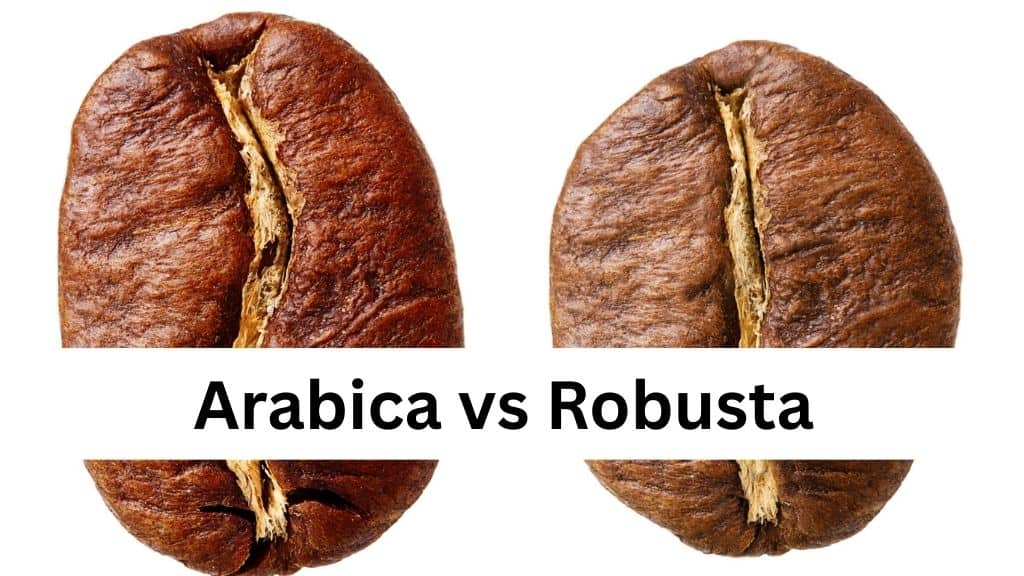
- Bean Type: Arabica for smoothness, Robusta for a caffeine kick.
Imagine your coffee beans as the lead singers of a band. The fresher and better they are, the better the music—or in this case, the coffee!
Talk About the Ideal Temperature for Steeping
- Room Temp: Ideal for a balanced flavor profile.
- Fridge: Slows down extraction, making it less bitter.
Picture this: You’re sunbathing on a warm but not-too-hot day. That’s your coffee at room temperature—just soaking up all the good vibes for a balanced flavor.
So, are you ready to make the best cold brew of your life? With these tips, you’ll be the talk of the town—or at least your kitchen! 🌟
![COLETTI Percolator Coffee Filters — Disc Coffee Filters For Percolators – For Bozeman, Butte, & Scoutmaster Camping Coffee Makers – Perfectly Tasteless, Mesh Filter [100 pack, Natural, 3.75”]](https://m.media-amazon.com/images/I/41aMW2nm3tL._SL160_._SL160_.jpg)


Frequently Asked Questions
What kind of filter for cold brew coffee?
Ah, the age-old question! To get rid of those pesky fines or sediment at the bottom of your cold brew, you’ll want to use a very fine mesh micron filter. A 1-micron filter is often recommended for this purpose. It’s like using a super-fine comb to catch even the tiniest of tangles in your hair.
Should you filter your cold brew?
What kind of filter for cold brew coffee?
Ah, the age-old question! To get rid of those pesky fines or sediment at the bottom of your cold brew, you’ll want to use a very fine mesh micron filter. A 1-micron filter is often recommended for this purpose. It’s like using a super-fine comb to catch even the tiniest of tangles in your hair.
Can I use regular coffee filters for cold brew?
You betcha! Regular coffee filters can work in a pinch. You can either pour your cold brew mixture through the filter after steeping or even steep the coffee in a filter bag for easy removal. It’s like using a regular spoon instead of a slotted one—gets the job done!
Should I double filter cold brew?
If you’re a perfectionist like me, double filtering can be your best friend. You can layer multiple filters, like a fine mesh strainer and a paper filter, or even double up your cheesecloth layers. It’s like double-checking your work before turning it in—ensures a top-notch result!
Can I use a paper filter for cold brew?
For sure! Just place a paper coffee filter inside a pour-over coffee maker, a sieve, or a funnel. Then pour your unfiltered cold brew through it into another container. It’s like using a safety net—catches all the stuff you don’t want.
How do you remove sediment from cold brew?
To get rid of that annoying sediment, slowly filter your cold brew concentrate over a paper filter into a clean bowl or jar. You can use a Chemex filter or any other coffee filter. If you’re using a French press, make sure to decant the coffee into another container. It’s like skimming the foam off your beer—leaves you with the good stuff!
How often do you change the filter in a cold brew?
If you’re using a specialized system like the Toddy® Cold Brew System, the felt filters should be replaced after 10 to 12 uses or after 3 months, whichever comes first. It’s like changing the oil in your car—necessary for smooth operation.
Conclusion
Wow, what a journey we’ve been on, right? We’ve dived deep into the world of how to filter cold brew coffee, from the importance of filtering to the types of filters and even some pro tips. Remember, the filter you choose is like the paintbrush for your coffee masterpiece—it can make all the difference.
So, don’t be afraid to experiment with different filtering methods; who knows, you might discover a whole new flavor profile that you adore! Thanks for hanging out with me, and here’s to many delicious cups of cold brew in your future. 🎉🥳