Key Takeaways:
- Brew coffee with milk for a creamier, smoother cup that reduces bitterness.
- Different milks (dairy & plant-based) change the flavor and texture of your coffee.
- Brewing methods like French Press, Cold Brew, and Instant Coffee can all work with milk.
- Watch out for curdling and always clean your equipment to avoid clogging.
- Perfect ratios and temperature control are the secrets to a barista-level coffee at home.


Ever thought about shaking up your morning routine by trying to brew coffee with milk instead of water? 🤯
If you’ve ever felt overwhelmed by the many ways to make coffee or frustrated by inconsistent results, this technique might just solve your problem.
To brew coffee with milk isn’t just a fad; it’s a growing trend that’s capturing the hearts of coffee aficionados everywhere. Why? Because it’s like turning your regular cup of joe into a creamy, dreamy latte. Trust me, once you go this route, you might never look back. 🚀
So, why should you hop on this creamy coffee train? Well, it’s all about flavor, texture, and a whole new level of richness. Stick around, and I’ll spill the beans (pun intended!) on how to master this brewing technique. ☕
Need a Few Simple Tools for Better Home Brewing?
Browse practical Amazon Basics coffee and kitchen gear for grinding, brewing, storing, and setting up your everyday coffee corner.
Paid link. As an Amazon Associate we earn from qualifying purchases.
The Science Behind Brewing Coffee with Milk
Chemical Reactions
Science time! 🤓 Ever wonder what happens when milk meets coffee? It’s like a mini chemistry experiment right in your cup. Milk has proteins and fats that love to mingle with coffee compounds.
What’s the result? The proteins in milk latch onto the bitter compounds in coffee. This tames the bitterness, making your coffee smoother. But wait, there’s more! The fats in milk add a velvety texture that water just can’t match. 🎉
So, in a nutshell, milk transforms your coffee into a smoother, creamier delight. It’s like your coffee is wearing a cashmere sweater! 🧥
Flavor Profile
Let’s talk flavors! 🍭 Imagine taking a sip of coffee that’s not just strong but also creamy and slightly sweet. That’s what milk does—it’s like adding a dollop of whipped cream to your favorite dessert.
Milk doesn’t just change the texture; it also adds a new layer of flavor. Think of it as turning your coffee from a solo artist into a full-blown orchestra. 🎶
Whether you’re a fan of dairy or plant-based milk, each type brings its own unique twist. So, you’re not just sipping coffee; you’re embarking on a flavor adventure. 🌈
How to Brew Coffee with Milk: Types of Milk to Consider

Dairy Milk
Full-fat vs. Low-fat: Ah, the age-old debate! 🤔
Full-fat milk is like the VIP section of a concert—rich, luxurious, and oh-so-satisfying. It makes your coffee taste like a dessert in a cup. 🍨
On the flip side, low-fat milk is the diet soda of the dairy world. It’s lighter but still brings a creamy touch to your coffee. 🥛
Plant-Based Milk
Almond, Oat, Soy: Welcome to the plant-based paradise! 🌱
Almond milk is the nutty professor—it adds a subtle almond flavor.
Oat milk? It’s the sweet talker, making your coffee taste like oatmeal cookies. 🍪
And soy milk is the all-rounder, neutral but creamy. 🌿
Pros and Cons
Let’s get real for a sec. Dairy milk is a flavor bomb, but it’s also higher in calories and saturated fats. 🍔 Plant-based milks are the health-conscious cousins, lower in calories but sometimes lacking in that rich flavor. 🥗 So, it’s all about what tickles your taste buds while keeping your health in check. 👌
Tip: Always warm plant-based milks gently, since some curdle faster than dairy if overheated.


Choosing the Right Coffee Beans
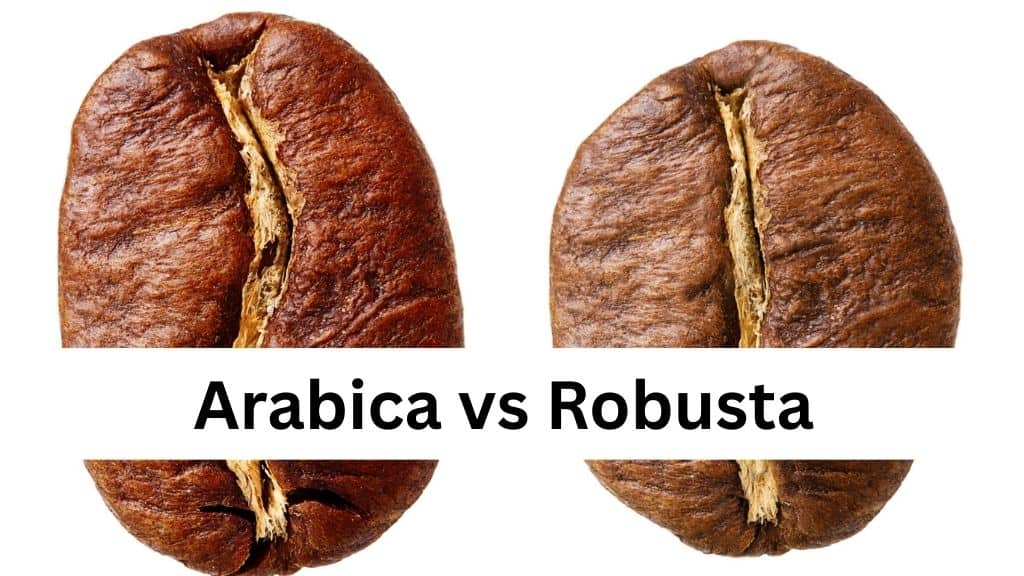
Arabica vs. Robusta
Flavor differences:
Think of Arabica as the elegant ballerina—smooth, delicate, and a bit floral. 🌸
Robusta is the rockstar—strong, bold, and packs a caffeine punch. 🎸
Your choice here will set the stage for your milk-brewed coffee experience. 🎭
Roast Levels
Light, Medium, Dark: Roast levels are like the spice levels in a curry—each has its own kick! 🌶️
Light roasts are zesty and acidic, great for a morning pick-me-up.
Medium roasts are the Goldilocks zone—just right for any time of the day. 🌞
Dark roasts are the night owls, deep and smoky. 🌚
Grind Size
Coarse, Medium, Fine: The grind size is the unsung hero of your coffee game. 🦸♂️
Coarse grinds are perfect for cold brews and French presses.
Medium grinds are the jack-of-all-trades, good for drip machines.
Fine grinds are the divas, ideal for espresso shots. 🎤
Pro Insight: Baristas often recommend medium-roast Arabica when you plan to brew coffee with milk, since it balances richness and sweetness.
So, whether you’re Team Dairy or Team Plant-Based, or whether you like your coffee beans to dance ballet or rock out, we’ve got you covered. Ready for the next chapter in your coffee journey? Let’s brew this! ☕🚀
Brewing Methods

French Press
Ready to feel like a coffee alchemist? 🧙♂️ The French Press is your magic wand. Here’s a quick guide:
- Boil Milk: Heat your milk but don’t let it boil over. Aim for around 200°F.
- Add Coffee: Toss in your coarsely ground coffee beans. A good ratio is 1:15 of coffee to milk.
- Stir and Steep: Give it a good stir and let it steep for 4 minutes. Patience is key! ⏳
- Press and Pour: Press down slowly and pour yourself a cup of creamy goodness. 🏆
Voila! You’ve just brewed a cup that even French cafés would envy. 🇫🇷
Cold Brew
Summer vibes, anyone? 🌞 Cold brew coffee with milk is like a beach vacation in a cup. Here’s how:
- Mix and Chill: Combine coarsely ground coffee and cold milk in a jar. A 1:4 ratio works well.
- Shake and Refrigerate: Shake it up and let it chill in the fridge for at least 12 hours. 🕒
- Filter and Serve: Use a fine-mesh sieve to filter out the grounds. Serve over ice. 🧊
Boom! You’ve got yourself a cup of chilled awesomeness. 🏖️
Instant Coffee
New to the coffee game? No worries! Instant coffee’s got your back. 🤗
- Heat Milk: Warm up your milk in a microwave or on the stove. Aim for hot but not boiling.
- Stir in Coffee: Add your instant coffee granules. A teaspoon should do the trick.
- Mix and Enjoy: Stir well until the coffee dissolves. Take a sip and let the simplicity win you over. 🥄
No matter which method you choose, when you brew coffee with milk you’re getting a creamier alternative to standard water-based coffee. ☕🌟
Coffee with Milk vs. Coffee with Water
- Coffee with water: stronger, higher acidity, more bitterness.
- Coffee with milk: creamier, less bitter, naturally sweeter.
Example: A black Americano emphasizes sharp flavors, while the same beans brewed with milk will mellow into a café latte–like experience.
Health & Nutrition Considerations
- Dairy milk = higher in calories and saturated fat, but rich in protein and calcium.
- Oat milk = good fiber source, eco-friendly.
- Soy milk = protein-packed, neutral flavor.
If you’re calorie-conscious, you can still brew coffee with milk using lighter dairy or unsweetened plant-based alternatives.
Risks and How to Avoid Them
Curdling
Temperature control: Yikes! Curdled milk in coffee is like finding a fly in your soup—totally unappetizing. 🤢
The trick to avoiding this mishap? Keep your milk below boiling point, around 200°F. Use a kitchen thermometer if you have to. This way, you’ll keep those milk proteins happy and your coffee smooth. 🌡️
Clogging
Cleaning tips for your coffee maker: Imagine your coffee maker is like your car. It needs regular cleaning to run smoothly. 🚗
Milk can leave residues that clog up your machine. So, after brewing, run a cycle of hot water to flush out any milk remnants. Also, consider a monthly deep clean with a vinegar solution. 🧼


Expert Tips for the Perfect Cup
Coffee-to-Milk Ratio
Ideal ratios for different methods: The coffee-to-milk ratio is like the bass and treble in a song—you gotta balance it right. 🎵 For a French Press, aim for a 1:15 ratio. Cold brew? Go for 1:4. And for instant coffee, a teaspoon per cup should hit the spot. 🎯
Temperature Tips
Optimal temperatures for different types of milk: Not all milk is created equal! 🐄 Dairy milk is best at around 200°F, while plant-based milks like almond and oat prefer a cooler 170°F. So, adjust your heat accordingly to keep your milk from throwing a tantrum and ruining your coffee. 🌡️
So, there you have it—how to dodge the pitfalls and brew coffee with milk that’s nothing short of perfection. Whether you’re a casual sipper or a coffee connoisseur, these tips will elevate your brew to the next level. ☕✨
Pro Tip: Always pour coffee into milk slowly (not the other way) to reduce curdling risks when you brew coffee with milk.
Frequently Asked Questions
-
Is it OK to boil coffee with milk?
You might be wondering if it’s a good idea to boil your coffee with milk. Well, the answer is a resounding yes! 🎉 Brewing coffee with milk can actually mellow out the bitter notes and give you a sweeter, creamier cup. Just remember, milk and water aren’t the same, so you’ll want to keep the milk below boiling to avoid curdling. 🌡️
-
What is it called when you make coffee with milk?
Ah, the world of coffee lingo! ☕ When you make coffee with milk, it’s commonly known as a “latte” or “caffè latte.” Picture this: a single or double shot of espresso making up about a third of your cup, and the rest filled with steamed milk, topped off with a thin layer of frothy milk. It’s like a cloud of milkiness floating on your coffee! 🌥️
-
Can we use milk instead of water in a coffee maker?
Hold up! Before you go pouring milk into your coffee maker, let’s set the record straight. 🛑 Coffee makers are designed to heat water, not milk. Using milk can mess up the taste and even damage your machine. So, if you’re keen on using milk, opt for methods like the French Press or cold brew instead. 🚫
-
Can I use any coffee maker?
Great question! While you might be tempted to use any ol’ coffee maker, tread carefully. 🚨 Traditional drip coffee makers are designed for water, not milk. Using milk in them could lead to a messy situation and even damage your machine. Stick to methods like the French Press, cold brew, or even instant coffee when you’re going the milk route. 🛠️
-
What if the milk curdles?
Uh-oh, curdled milk is the coffee equivalent of a flat tire—no one wants it. 🤦♀️ If you find yourself in this milky mess, it’s likely due to high heat. To avoid this, keep your milk below boiling, around 200°F. If it’s too late and the milk has already curdled, your best bet is to start over. Sorry, there’s no saving a curdled cup. 🗑️
-
How does milk affect caffeine levels?
Curious about the caffeine kick? 🚀 Brewing with milk doesn’t change the caffeine content of the coffee itself. What changes is the volume. Since you’re using milk instead of water, you might end up with a less concentrated cup. So, if you’re looking for that strong caffeine jolt, you might want to adjust your coffee-to-milk ratio. ⚖️
Conclusion
So, there you have it, folks—the ultimate guide to brew coffee with milk like a pro. From the science behind it to the best methods and even how to dodge those pesky pitfalls, we’ve covered it all. 🎉
Next time you’re about to reach for water, try to brew coffee with milk instead. You’ll be surprised how one simple swap can transform your daily coffee ritual into something smoother, creamier, and truly satisfying. ☕💖