Key Takeaways:
- Diverse Methods: There’s no single “best” way to brew coffee—methods like pressure, steeping, boiling, and cold brew each offer unique flavor profiles.
- Precision Matters: Consistency in grind size, water temperature, and brewing time can dramatically improve the final taste.
- Expert Tips Count: Small tweaks and insights from experts, like adjusting water ratios and grind size, can elevate your home brewing to barista-level quality.
- Sustainability is Key: Choosing ethically sourced beans and eco-friendly brewing practices not only benefits the planet but also enhances your coffee experience.
- Equipment Choices: For urban dwellers, compact and multifunctional coffee equipment can maximize space and efficiency without sacrificing quality.
- Personal Experimentation: Enjoy the process—experiment with different methods to find what best suits your taste and lifestyle.


If you’re striving for that perfect cup at home, especially in a bustling urban setting, this guide is for you. We’ve blended expert insights with practical tips to help you navigate the world of coffee brewing—from sustainable ways to make coffee at home to equipment advice perfect for small kitchens.
There are various coffee-making techniques at your disposal. But the same brand of coffee can result in many different flavors and aromas depending on the extraction process used.
So, what’s the best way to brew coffee at home? And what coffee maker should you use to recreate the excellent cup of coffee you drink in the cafe?
We’ve tried the majority of the brewing techniques, being the coffee nerd that we are. But, it takes years of practice to master each process, and it can sometimes get confusing.
Need a Few Simple Tools for Better Home Brewing?
Browse practical Amazon Basics coffee and kitchen gear for grinding, brewing, storing, and setting up your everyday coffee corner.
Paid link. As an Amazon Associate we earn from qualifying purchases.
So let’s get brewing! Today, we’ll walk you through the most common coffee brewing methods that we’ve tried. We’ll also talk about its pros and cons and how it compares to other similar processes, and offer expert insights along with tips on sustainable practices and choosing the right equipment.
Ways to Make Coffee

Using Pressure
Do you want to start your morning with a strong coffee? Then, use pressure to brew it! It’s one of the most popular ways to make espresso. AeroPress, Moka pot, espresso method are the most common ways to brew coffee with pressure.
Pressure is almost like the drip technique. The only difference is- six to ten bars of pressure are acting on top of the coffee. When using this method, water is forced through grounds using heat and pressure.
One disadvantage of using this method is, espresso machines are generally expensive. They are also high maintenance and labor-intensive.
Espresso Machines
Espresso machines are the kings of the coffee world. They force hot water through finely ground coffee at high pressure. It’s how your favorite barista makes those delicious lattes and cappuccinos.
Pros: They can produce a rich, full-bodied shot of espresso. Plus, they open the door to a wide range of coffee drinks.
Cons: Good espresso machines can be pricey, and they require a bit of a learning curve.

Via Steeping
Steeping is one of the simplest ways to make coffee. One method of steeping is the french press method, but it isn’t limited to that. The steeping process is simple: mix hot water with coffee grounds, then wait for 4 or 5 minutes.
Coffee masters say steeped coffee tastes like drip coffee but with a richer flavor. This is because, with steeped coffee, water, and coffee have more prolonged contact.
Steeped coffee can brew flavorful coffee in large quantities. Its contact with water and grinding time is also customizable. The only drawback is that the brewing time is dependent on the brewer. Plunging the coffee grounds too long will result in bitter coffee. While brewing it less than the required time, and you’ll end up with a weak coffee.
Brewing Tip:
Invest in a good grinder to have a uniform grind to remove excess coffee grounds residue in your cup.
Coffee Bags
Ever heard of coffee bags? Think of them as tea bags, but for coffee. You just pop one into your cup, pour over hot water, and let it steep. Easy peasy!
Pros: It’s super convenient and mess-free. Great for when you’re on the go or at the office.
Cons: The coffee quality can vary, and it’s not the most eco-friendly option out there.
Instant Coffee/Espresso
Instant coffee needs no introduction. Just add hot water to the coffee crystals, stir, and voila! You’ve got yourself a cup of joe.
Pros: It’s quick, convenient, and doesn’t require any special equipment.
Cons: Unfortunately, it often lacks the depth of flavor that other brewing methods offer.

Using Filtration and Dripping
The filtration or drip method is popular. For example, Starbucks processes a large part of its hot coffee drinks using this method.
Do this method through an electronic automatic drip machine. Drip machines can brew up to around 1 ½ L of coffee at a time. You can also do it manually if you do not own a drip coffee machine.
This method is easy. It also brews more consistently compared to hand brews. But, drip machines are often difficult to clean and take up so much space on the counter.
Brewing Tip:
Extract more flavors by heating the water at around 200°F when using this method. It would be best to shower the grounds to avoid the possibility of a bitter cup. Use high-quality filters to prevent tainting your cup of coffee with a chemical taste.

Via Boiling
The boiling technique means boiling your coffee with water. The only thing you need to boil coffee is a container, water, and some coffee grounds. This method works every time, no muss, no fuss.
So if you don’t have a coffee maker, you can still have a decent cup of coffee using the boiling method. Two of the most common ways to boil coffee are the cowboy method or Turkish Style.
Cowboy Method
The cowboy method is one of the oldest ways to make coffee. Up until now, people still practice the cowboy method. The only thing you’ll need to do this method is coffee, water, flame, and a saucepan.
First, fill your saucepan with water and bring it to a boil. Next, put in your ground coffee, boil it, and then let it brew for a few minutes. Finally, pour the coffee into your mug once the grounds settle to the bottom of the pot.
Brewing Tip:
Invest in a good grinder. You’ll need coffee grounds finer than espresso to get the most out of this method.
Turkish Style
Turkish coffee is famous for being bold and intense. So, if you like black coffee, you’ll love the Turkish Style.
It’s done by combining water with extra fine ground coffee (adding sugar is optional) in a cezve or ibrik. Next, place the cezve or ibrik over an open flame, then wait for it to foam up and boil. It typically brews 3-4 minutes.
Brewing Tip:
Allow the brew to sit for a couple of minutes to let any sediments settle to the bottom.
Most Common Types of Coffee Brewing Methods
AeroPress Method
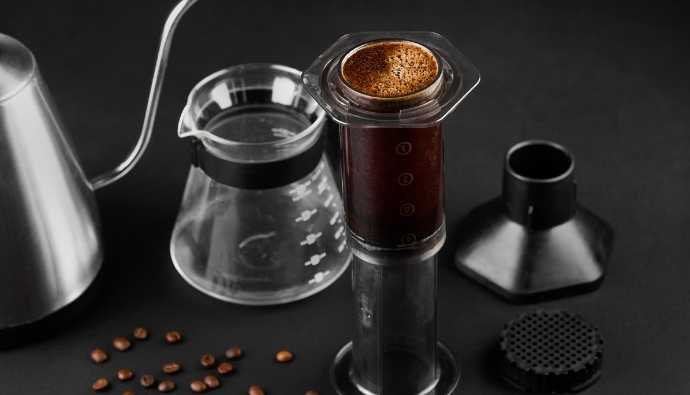
Aeropress is a pressurized immersion brewer. With an Aeropress, pressure doesn’t come from a pump but your hand. This type of method is a single-serve style brewing up to 8 oz of concentrated coffee. If you’re a camper or a traveler, this method is perfect for you.
There are two basic ways to brew with the air press: inverted or standard. First, add coffee and hot water to the container, and press it down to do it the traditional way. For the inverted way, add coffee and water and turn it before pressing.
One of the advantages of using the Aeropress method is its flexibility. It has two brewing methods, and you can either use paper or metal filters when brewing. Aeropress is also durable, convenient, and easy to clean. The only cause for concern when brewing with Aeropress is its capacity when brewing. It can only brew a single serving of coffee.
Brewing Tip:
Use 175 F water with a 1:12 ratio of coffee to water if you want to recreate an award-winning Aeropress coffee recipe. There’s no type of grind required when using this method. But to get the best coffee quality go for a medium-grind with a slow plunge. We also recommend you to experiment a little and try both inverted and standard methods.

Stovetop Moka Pot
This pot brews through 3 chambers. First, the bottom chamber boils the water, then it evaporates and produces steam. Then it pushes the water and moisture through the coffee to brew it. This brewing process can give you a bittersweet tasting coffee that can take you through the day.
Brewing Tip:
Stovetop Moka Pot has a bad reputation because it’s pretty easy to make bitter coffee with them. But there’s a way you can produce a delicious cup of Stovetop Moka Pot by following this:
Grind Size
This is where most people make the first mistake. The grind size shouldn’t be too fine when using the Stovetop Moka Pot method. Instead, aim to grind a little bit coarser to get the balance between bitter and sweet.
The Moka Pot is a stovetop espresso maker. It uses steam pressure to force hot water up through the coffee grounds.
Pros: It’s a relatively affordable way to make espresso-like coffee at home.
Cons: It doesn’t quite reach the pressure of a true espresso machine, so the flavor profile will be a bit different.
Water Temperature
When doing this method, you should start at the bottom of the pot with hot water. Most people use cold water to fill in the bottom chamber. And that’s the second mistake you’re making. When you heat the cold water, you’re heating the coffee, too. Heating the coffee means it’s going to taste a little bitter when you do so.

French Press Method
French press is straightforward to use. It contains two parts: a jar and a plunger with plastic or metal mesh.
- Add some coffee grounds to the pot and pour hot water. To brew with a french press:
- Let it sit for a few minutes.
- Press the plunger and serve the coffee into a cup and enjoy!
French press is easy to use. It also doesn’t need any extra filters or brewing equipment for it to work. And also, it is cheap. But French press has issues with heat loss. Also, it is harder to clean than other brewing equipment.
Brewing Tip:
When using this method, you should have a good grinder. Refined ground beans result in a more consistent flavor. Plus, it eliminates unnecessary sediments in your cup.

Siphon Method
The Siphon brewing method is more complex than the others, and it needs close attention to detail. But if you’re a chemist, it’ll be a piece of cake.
This method combines total immersion and high-pressure brewing. It’s the best of French-press, pour-over, and stovetop coffee. It can give you a unique, full-bodied, and concentrated coffee to create a great-tasting cup.
The siphon method is one of the most enjoyable ways to brew coffee. But, it’s hard to set it up and hard to do.
Brewing Tip:
Wrap the bottom chamber with a damp towel if it takes more than a minute for the coffee to settle at the bottom.

Pour Over Method
The pour-over coffee method has now entered the mainstream market. The one thing you’ll love about pour-over coffee is that you have control over so many of the variables. You can make it as straightforward or as complicated as you want.
Like the Aeropress method, the pour-over process is single-serve. It uses a cone-like filter placed on top of a glass container filled with coffee beans. Then, hot water is poured over the top of the grounds-wetting every piece of the coffee. Finally, the coffee drips on a mug or container.
Brewing Tips:
Is your coffee tasting burnt or bitter? If your coffee’s too weak or even sour, try tightening up your grind to get more flavors. Then try using a lower water temperature.
Pour-overs are a hands-on brewing method. You pour hot water over coffee grounds in a filter and let it drip into your cup or carafe.
Pros: It gives you control over the brewing process and can produce a clean, flavorful cup of coffee.
Cons: It requires a bit of practice and patience.

Cold Brew Method
It’s summer and hot! You might want to drink a cold cup of coffee. So let’s leave hot brewing and find out how cold brews are made.
Cold brew is made by plunging the coffee beans and cold filtered water for an extended period. It can be done using a cold brew coffee maker or a mason jar. When creating a cold brew, 1:5 is a little concentrated. So, we recommend that you experiment with what ratio works for you.
The cold brew differs from regular coffee by its taste and acidity. It’s lesser acidity compared to hot coffee, with a richer flavor. The only disadvantage of cold brewing is it takes a longer time to brew it. It also requires a coarse grind that will not leave sediments in your cup.
Brewing Tips:
Use a 1:5 or 1:7 ratio when brewing. Also, you can brew in bulk since cold brew can be stored for a week.

Coffee Maker Method
You can find a coffee maker about in every countertop in every household. This is the easiest method in making coffee. You won’t even have to do anything. Just put some water into the coffee container, heat the water, then add your grounds. Easy!
Brewing tips:
Make sure you’re fresh whole coffee beans and always use the right amount of coffee. The amount of coffee you put in will determine how strong or weak your cup of coffee will be.

Chemex Method
This brewing method has been around since the ’40s. The Chemex coffee maker is simple yet beautifully designed. It’s a single piece of glass with a wooden collar and a tie.
Chemix uses the Infusion method. It’s like drip coffee with its body and taste. But you’ll end up getting more flavor than other drip brewers because of its thick filters. It can also make up to 4 cups in one go. Bigger Chemex jars can also brew up to 10 cups.
Brewing tips:
There’s no specific type of grind required when brewing with a Chemex. But you can use medium to coarse ground coffee.
The Chemex is a beautiful piece of coffee gear. It’s a pour-over method that uses special thicker filters.
Pros: It can produce a clean, bright cup of coffee and it’s a stunning addition to any kitchen.
Cons: The thicker filters and special shape require a bit of a learning curve.
Other Coffee Dripping Methods
Moving on to the dripping methods. This is where gravity comes into play, pulling the water through the coffee grounds.
Electric/Stovetop Percolators
Remember the old-school percolators? They’re still around! Water in the bottom chamber boils and is forced up a tube, then cascades over the coffee grounds.
Pros: It’s a classic method that can brew a strong cup of coffee.
Cons: It’s easy to over-extract the coffee, leading to a bitter taste.
Auto-Drip Machines
Auto-drip machines are the workhorses of the coffee world. You add water, coffee, hit a button, and let the machine do the rest.
Pros: They’re easy to use and can brew large quantities of coffee.
Cons: The quality of the brew can vary depending on the machine.
Specialty Pour-Overs
Specialty pour-overs like the Hario V60 and Kalita Wave take the pour-over method to the next level with their unique designs.
Pros: They can produce a fantastic cup of coffee and give you a lot of control over the brewing process.
Cons: They require special equipment and a bit of a learning curve.
Clever Dripper
The Clever Dripper combines the best of the pour-over and French press methods. You steep the coffee, then place it over your cup to drain.
Pros: It’s easy to use and can produce a great cup of coffee.
Cons: It requires special filters and a bit more cleanup than a standard pour-over.
Lesser-Known Coffee Brewing Methods
Now, let’s explore some lesser-known brewing methods. These might not be as common, but they’re definitely worth a try!
Vietnamese Phin
The Vietnamese Phin is a small metal filter used to make Vietnamese coffee. It’s a slow drip method that often includes sweetened condensed milk.
Pros: It’s a unique and flavorful way to enjoy coffee.
Cons: It can take a bit of time, and it’s not ideal if you’re trying to cut back on sugar.
Nitrous Coffee
Nitrous coffee, or nitro coffee, is cold brew coffee that’s been infused with nitrogen gas. It’s served on tap, just like beer.
Pros: It has a rich, creamy texture and a naturally sweet flavor.
Cons: It requires special equipment and can be a bit more expensive.
Puerto Rican Café Con Leche
Café Con Leche is a Puerto Rican coffee method that involves mixing coffee and warm milk in equal parts.
Pros: It’s a comforting, creamy coffee drink that’s perfect for those who prefer a milder coffee.
Cons: It’s not as strong as other coffee methods, and it requires both coffee and milk.
And that’s a wrap! Remember, the best brewing method is the one that makes coffee you love. So don’t be afraid to experiment and try something new. Happy brewing!
Sustainable & Ethical Brewing
In today’s coffee culture, sustainability matters.
- Choosing Ethically Sourced Beans: Look for certifications like Fair Trade or Rainforest Alliance to ensure your coffee is responsibly sourced.
- Eco-Friendly Brewing Practices: Consider methods that minimize waste—such as reusable filters and energy-efficient machines.
- Expert Insight:
“Sustainability is not just a trend; it’s an essential practice for modern coffee lovers,” explains an environmental consultant. “Integrating eco-friendly practices in your brewing routine not only benefits the planet but also enhances the overall coffee experience.”
Equipment Guide for Urban Coffee Lovers
Living in the city often means working with limited space. Here are some tips for selecting the best equipment for your urban setup:
- Compact Espresso Machines: Look for models that offer high performance without taking up too much counter space.
- Multi-Functional Brewers: Consider devices that can perform several functions (e.g., grind, brew, and heat) in one compact unit.
- Maintenance & Durability: Choose machines known for ease of cleaning and long-lasting performance.
- Expert Tip:
“Investing in quality equipment tailored for small spaces can transform your home brewing experience,” notes equipment expert.


Conclusion
Now that we’re done comparing all the ways to make coffee, it’s time to choose which one works best for you. Remember that whatever process you choose, it all boils down to the taste of the coffee.
Splurging on coffee machines will not improve the taste of your coffee. Instead, focus on the quality and freshness of your coffee beans. That can make or break your brewing experience. Let us know in the comments which you think is the best coffee brewing method.
References
- Hoffman, J. (2017). The World Atlas of Coffee: From Beans to Brewing – Coffees Explored, Explained and Enjoyed (2nd ed.). Octopus Books.
- Rao, S. (2014). The Coffee Roaster’s Companion. Scott Rao.
- Pendergrast, M. (2019). Uncommon Grounds: The History of Coffee and How It Transformed Our World. Basic Books.