Key Takeaway:
- A standard single-shot cappuccino delivers about 68 mg of caffeine—varying by bean origin, roast, and shot size—so you can tweak grind, extraction time, and milk ratio to dial in your ideal strength.
There are tons of coffee drinks found in coffee shops. There’s the usual espresso, americano, latte, and cappuccino. For coffee drinkers who like bold and strong drinks, the go-to is usually a cup of espresso. But what about cappuccino?
Does cappuccino have caffeine? If you’ve ever struggled to get consistent caffeine strength from your homemade drinks or felt overwhelmed by conflicting advice on brew ratios, you’re not alone.
The short answer is yes, cappuccino does contain caffeine. But the question is how much? And how does it differ from coffee?


What Exactly Is a Cappuccino?
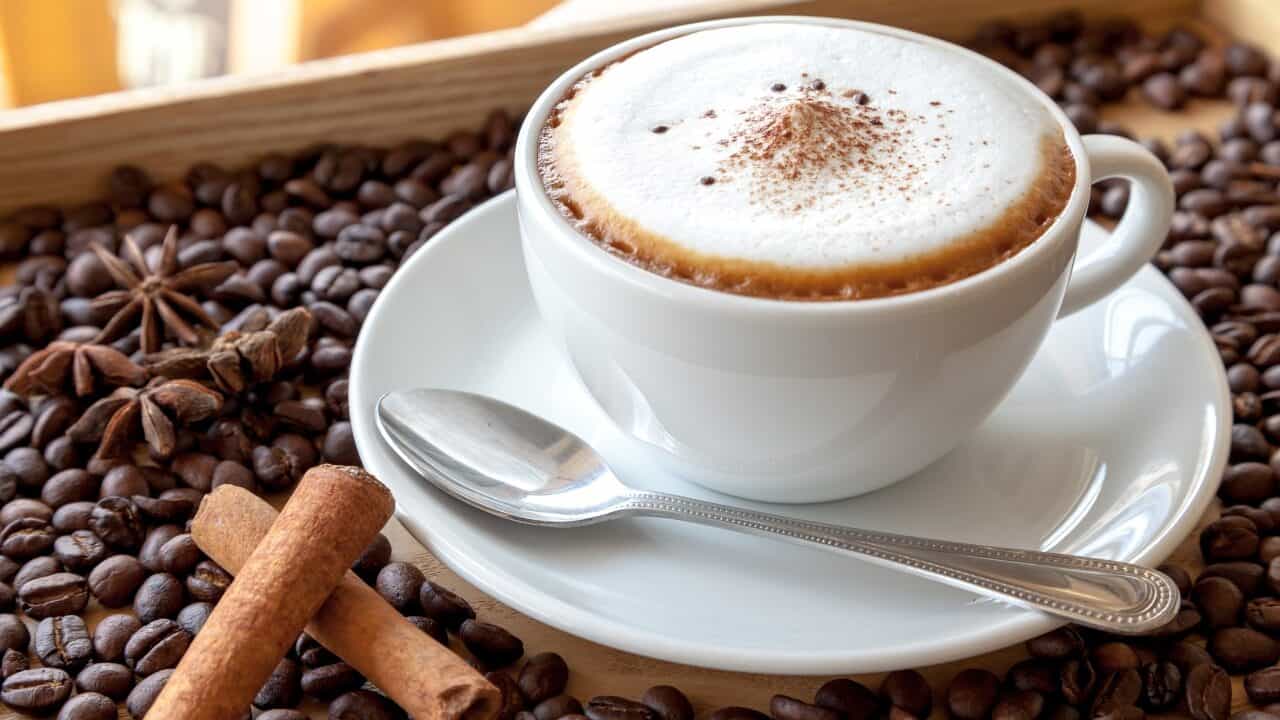
A cappuccino is a coffee-based drink that originated in Italy in the early 1900s. The base for this drink is espresso mixed with hot milk. A topping of foam completes the drink, giving it a beautiful look.
Need a Few Simple Tools for Better Home Brewing?
Browse practical Amazon Basics coffee and kitchen gear for grinding, brewing, storing, and setting up your everyday coffee corner.
Paid link. As an Amazon Associate we earn from qualifying purchases.
Unlike regular coffee, cappuccinos have more foam. Baristas froth hot milk until it creates a nice layer of foam before adding this to the espresso. They usually serve this in a cup.
Wet Cappuccino vs Dry Cappuccino
There are two types of cappuccinos – wet and dry cappuccinos. A wet cappuccino has more milk than a dry one, making it smoother and less intense in flavor. On the other hand, a dry cappuccino has a stronger flavor that’s more like espresso because it has more foam and less milk.
What is Caffeine?
Caffeine is a stimulant in coffee, cacao, and guarana plants. It’s the most commonly consumed psychoactive substance and can give you an energy boost and improved alertness and concentration.
The body absorbs caffeine quickly, lasting up to six hours in the bloodstream. Depending on the amount ingested, the effects of caffeine will vary from one person to another.
According to the National Coffee Association, a single espresso shot contains an average of 63 mg of caffeine, which sets the baseline for your cappuccino’s strength.
Does Cappuccino Have Caffeine?
Yes, cappuccino does contain caffeine. But it’s not as potent as normal coffee. Because of the frothed milk and foam, you get a milder version of espresso. The exact amount depends on how much espresso and milk baristas used in the drink.
A regular cappuccino averages around 68 milligrams of caffeine per shot of espresso. Although cappuccino generally contains caffeine, the amount depends on the espresso ratio to milk.
What Affects the Caffeine Content in Cappuccinos?
The amount of caffeine in cappuccino varies depending on several factors. The first factor is the type and size of coffee beans used. Different coffee beans have varying levels of caffeine, so the strength of your espresso shot can vary greatly from one type to another.
Another factor that impacts caffeine content is how much espresso and milk baristas use to make the cappuccino. The more espresso in your drink, the higher the caffeine content will be.
Finally, how much foam is in a cappuccino will also affect the amount of caffeine present. Ask your barista for less foam if you’d like a stronger cappuccino with more caffeine.
Remember that the amount of caffeine in cappuccino can vary depending on how much espresso is used. It’s also important to remember that the coffee beans used can also affect the caffeine content in a cup of cappuccino. A double shot of espresso, for example, will add more caffeine than a single shot.
Expert Insight: A barista notes that using a slightly coarser grind and pulling a 20-second ristretto shot can reduce caffeine by up to 10 % without sacrificing body or flavor.
Practical Tips for Home Baristas
Adjust Your Grind: A finer grind extracts more caffeine—coarsen up for a lighter brew.
Control Shot Time: Aim for a 25- to 30-second extraction for balanced flavor and caffeine.
Milk-to-Espresso Ratio: Boost caffeine by swapping to a “ristretto cappuccino” (shorter shot) and using less milk.
DIY Cappuccino: Make Your Own at Home
Follow these simple steps to craft a café-quality cappuccino in your own kitchen—no fancy equipment required.
Ingredients & Tools:
- 2 tablespoons (10 g) freshly ground espresso-roast coffee
- 2 ounces (60 ml) hot water
- 4 ounces (120 ml) milk (any type)
- A small saucepan or microwave-safe pitcher
- A handheld frother or whisk
Step-by-Step Instructions:
- Brew a Strong Espresso Base: Use an Aeropress, Moka pot, or very strong drip—aim for about 2 ounces of concentrated coffee.
- Heat Your Milk: Warm milk in a saucepan over medium heat (don’t boil), or microwave for 30–45 seconds until hot but not scalding.
- Froth the Milk: Pour heated milk into a tall container and froth vigorously with a handheld frother or whisk until you’ve got a thick, velvety foam (about 20–30 seconds).
- Assemble Your Cappuccino: Pour the espresso into your cup, then gently spoon or pour the frothed milk on top, holding back the foam with a spoon and then layering the foam last.
- Garnish & Enjoy: Optional sprinkle of cocoa powder or cinnamon. Sip while hot, and adjust your milk-to-espresso ratio next time to fine-tune caffeine strength and creaminess.
Coffee vs Cappuccino: Which Has More Caffeine Content?
Coffee generally has more caffeine than a cappuccino. A typical 8-ounce cup of coffee contains around 95 milligrams of caffeine, while a cappuccino made with a single espresso only contains about 68 milligrams of caffeine. However, if you get a double or triple shot in your cappuccino, the caffeine can be higher.
Is There Such a Thing as Decaf Cappuccino?
Yes, you can get a decaf cappuccino if you want a caffeine-free option. Decaf coffee uses the Swiss Water Process to extract caffeine from the beans. This leaves behind all of the flavor and aroma elements in the coffee while removing most caffeine.
When ordering decaf cappuccino, specify that you’d like decaf espresso shots. Your barista will know how to make your drink without any caffeine.
How Many Cups of Cappuccinos Is Safe in a Day?
The amount of caffeine you should consume in a day varies from person to person. It can contain anywhere from 30-200 milligrams of caffeine. Generally, experts recommend people limit their daily caffeine intake to 400 milligrams or less.
Caffeine Content Comparison
| Drink | Caffeine (mg) per 8 oz serving |
|---|---|
| Drip Coffee | 95 |
| Single-Shot Cappuccino | 68 |
| Double-Shot Cappuccino | 136 |
| Latte (8 oz, single shot) | 68 |


Final Thoughts
So does cappuccino have caffeine? Well, yes, it does! All types of coffee drinks made with espresso contain some caffeine. However, the amount of caffeine in a cappuccino may vary depending on the size and ingredients used to make it.