Key Takeaway
- Choosing the right substitute for sugar in coffee can slash calories, prevent sugar crashes, and unlock new flavor dimensions—experiment to find your ideal match.
Ever wondered how to make your morning cup of joe a tad healthier and how a substitute for sugar in coffee more flavorful? Well, you’re in the right place!
We’re diving into the world of substitute for sugar in coffee. Why? Because your health matters, and so does the taste of your coffee!


Why Substitute Sugar in Coffee?
Sugar, oh sweet sugar. It’s the guilty pleasure we all love in our coffee. But have you ever stopped to think about what it might be doing to your health?
The Health Implications of Sugar
Sugar, especially in excess, isn’t exactly your body’s best friend. It’s like that party guest who overstays their welcome and leaves a mess behind. Too much sugar can lead to weight gain, tooth decay, and even increase your risk of heart disease. Yikes! And let’s not forget about those pesky sugar crashes that leave you feeling sluggish. Not exactly the best way to start your day, right?
Need a Few Simple Tools for Better Home Brewing?
Browse practical Amazon Basics coffee and kitchen gear for grinding, brewing, storing, and setting up your everyday coffee corner.
Paid link. As an Amazon Associate we earn from qualifying purchases.
The Benefits of Sugar Substitutes
But don’t worry, there’s a silver lining! Enter sugar substitutes. These sweet saviors can give your coffee that delicious sweetness without the health risks associated with sugar. Plus, they come with their own unique flavors that can take your coffee experience to a whole new level. Imagine sipping on a cup of coffee sweetened with honey or maple syrup. Sounds heavenly, doesn’t it? And the best part? You can enjoy your coffee guilt-free!
So, are you ready to explore the world of sugar substitutes? Let’s dive in!
Top 10 Substitutes for Sugar in Coffee
Ready to shake up your coffee routine? Here are the top 10 substitutes for sugar in coffee. Let’s explore!
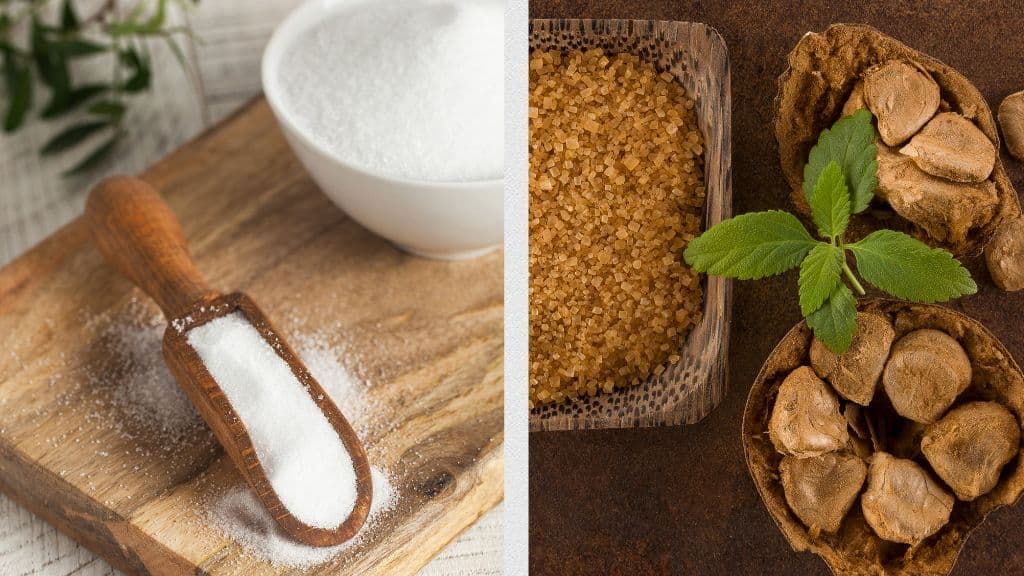
| Sweetener | Equivalent to 1 tsp sugar | Calories | Glycemic Index |
|---|---|---|---|
| Erythritol | 1 tsp | 0 | 0 |
| Monk Fruit Extract | ¼ tsp extract | 0 | 0 |
| Stevia | 3–5 drops | 0 | 0 |
| Agave Nectar | ¾ tsp | 21 | 15 |
| Honey | ¾ tsp | 21 | 58 |
| Maple Syrup | 1 tsp | 17 | 54 |
| Molasses | ½ tsp | 16 | 55 |
| Coconut Sugar | 1 tsp | 15 | 35 |
| Vanilla Extract* | N/A | 0 | 0 |
| Cinnamon** | N/A | 0 | 0 |
*Use in tandem with another sweetener
**Adds warmth and sweetness without sugar
1. Erythritol
Erythritol is like that quiet person at the party who’s actually a lot of fun once you get to know them. It’s a sugar alcohol that’s naturally found in some fruits and fermented foods.
Many coffee lovers use it as a substitute for sugar in coffee, because it delivers sweetness without calories.
- Pros: It’s low in calories and doesn’t affect blood sugar levels. Plus, it doesn’t cause tooth decay. Score!
- Cons: Some people might experience digestive issues if they consume too much. So, moderation is key!
Barista Pro Tip: Blend ½ tsp erythritol with 2 drops monk fruit extract for balanced sweetness and no aftertaste.
2. Monk Fruit Extract
Monk fruit extract is the new kid on the block that everyone’s talking about. It’s made from a small melon native to Southeast Asia.
Many home baristas choose it as a substitute for sugar in coffee when they want zero-cal sweetness.
- Pros: It’s super sweet but has zero calories and doesn’t raise blood sugar levels. How cool is that?
- Cons: It can be a bit pricey and has a unique aftertaste that some people might not like.

3. Stevia
Stevia is like the popular kid in school. It’s a natural sweetener derived from the leaves of the Stevia rebaudiana plant.
Health-conscious brewers often use stevia as a substitute for sugar in coffee, because a few drops go a long way.
- Pros: It’s super sweet and has zero calories. It’s also safe for people with diabetes.
- Cons: It has a distinctive aftertaste that might not be everyone’s cup of tea (or coffee!).
4. Agave Nectar
Agave nectar is the sweet, syrupy stuff made from the agave plant. It’s like the laid-back, easy-going friend we all need.
Many people rely on agave as a substitute for sugar in coffee, enjoying its mild flavor.
- Pros: It’s sweeter than sugar, so you’ll need less of it. Plus, it’s vegan-friendly!
- Cons: It’s high in fructose, which can be bad for your health if consumed in large amounts.

5. Honey
Honey is like the classic, timeless song that never gets old. It’s a natural sweetener that’s been used for centuries.
It remains a beloved substitute for sugar in coffee, offering floral complexity.
- Pros: It adds a lovely, rich flavor to your coffee. Plus, it has antioxidants!
- Cons: It’s higher in calories than sugar and can affect blood sugar levels.
6. Maple Syrup
Maple syrup is like a warm, cozy blanket on a cold day. It’s made from the sap of maple trees. It’s a sweet substitute for sugar in coffee, imparting a rich, woody note.
- Pros: It’s rich in antioxidants and adds a unique, delicious flavor to your coffee.
- Cons: It’s quite high in sugar, so it’s best to use it sparingly.

7. Molasses
Molasses is like the wise, old sage. It’s a byproduct of the sugar-making process and is rich in vitamins and minerals.
It serves as a substitute for sugar in coffee, adding deep, robust flavor.
- Pros: It adds a rich, complex flavor to your coffee. Plus, it’s high in iron and calcium.
- Cons: It’s high in sugar and calories, so moderation is key.
8. Coconut Sugar
Coconut sugar is like the fun, tropical vacation we all need. It’s made from the sap of the coconut palm. It’s an emerging substitute for sugar in coffee, prized for its lower glycemic index.
- Pros: It has a lower glycemic index than regular sugar and is packed with nutrients.
- Cons: It’s still high in calories and should be used sparingly.

9. Vanilla Extract
Vanilla extract is like the comforting, familiar friend. It’s made by soaking vanilla beans in alcohol.
Vanilla extract isn’t sweet on its own, but when you add it alongside another substitute for sugar in coffee, like stevia, it elevates aroma and flavor.
- Pros: It adds a lovely, subtle flavor to your coffee without any extra calories.
- Cons: It’s not sweet on its own, so you might need to pair it with another sugar substitute.
10. A Surprise Entry: Cinnamon
Cinnamon is like the surprise twist in a good book. It’s a spice made from the bark of Cinnamomum trees.
- Pros: It adds a warm, sweet flavor to your coffee without any calories. Plus, it’s good for your health!
- Cons: It’s not traditionally sweet, so it might take some getting used to.
There you have it, folks! Ten fantastic substitutes for sugar in coffee. Remember, the best sweetener is the one that you enjoy the most. So, don’t be afraid to experiment and find your perfect match
How to Choose the Right Substitute for You
Choosing the right sugar substitute for your coffee is like finding the perfect pair of jeans. It’s all about personal preference, fit, and comfort. Here are a few things to consider:
- Taste: Each substitute has its own unique flavor. Some are sweeter, some are milder. Try a few and see which one tickles your taste buds!
- Health Goals: If you’re watching your calorie intake or trying to manage your blood sugar levels, opt for a substitute that aligns with your goals.
- Dietary Restrictions: Vegan? Diabetic? There’s a substitute for everyone. Make sure to pick one that suits your dietary needs.
Experimenting with Sugar Substitutes in Your Coffee
Now, here comes the fun part – experimenting! Think of your coffee cup as your canvas and the sugar substitutes as your palette. Mix, match, and create your masterpiece!
- Start Small: When trying a new substitute, start with a small amount and adjust to taste.
- Mix and Match: Who says you can only use one substitute? Feel free to mix two (or more!) for a unique flavor profile.
- Be Patient: Your taste buds might need some time to adjust to a new flavor. Give it some time.
Remember, there’s no right or wrong choice here. It’s all about finding what makes your coffee experience enjoyable. So go ahead, start experimenting and discover your perfect coffee sweetener. Happy experimenting!
Frequently Asked Questions
-
What is the healthiest alternative to sugar?
-
How to make sweet coffee with no sugar?
-
How do you sweeten coffee without carbs?
-
Is sweetener better than sugar in coffee?
-
What is healthier sugar or sweetener?
Both sugar and artificial sweeteners have their pros and cons. It’s best to consume both in moderation and according to your dietary needs and preferences.
-
Is adding sugar to coffee unhealthy?
Adding sugar to coffee isn’t necessarily unhealthy, but it can contribute to increased calorie intake and potential health issues if consumed excessively.


Conclusion
And there you have it, coffee enthusiasts! We’ve journeyed through the world of substitute for sugar in coffee, exploring their pros and cons, and how they can transform your coffee experience. Remember, the best substitute is the one that suits your taste buds and health goals. So, don’t be afraid to experiment and find your perfect match. Here’s to healthier and tastier coffee habits. Cheers!