Key Takeaways:
- Yes — does mountain dew have caffeine? Absolutely. A 12-oz can contains about 55 mg of caffeine, which is more than most sodas but less than coffee.
- This amount is considered moderate for healthy adults, according to current caffeine intake guidelines.
- Understanding caffeine levels helps you make informed beverage choices, especially if you are caffeine-sensitive or managing daily intake.


Does mountain dew have caffeine? Yes—it does. If you’ve ever grabbed a can for a quick pick-me-up, you’re not imagining it. Mountain Dew contains caffeine, which contributes to its energizing effect and bold appeal.
Ever wonder just how much kick there is in a can of Mountain Dew? Does Mountain Dew have Caffeine in it?
You’re not alone. Mountain Dew, with its bold, bright color and even bolder taste, has been a fan favorite for years. But beyond its zesty flavor, many of us pause and ponder about its caffeine content.
Today, we’re going to clear the air, debunk myths, and dive deep into the world of Mountain Dew and its caffeine levels. Whether you’re a casual sipper or a die-hard Dew enthusiast, you’ll find something interesting here!
Need a Few Simple Tools for Better Home Brewing?
Browse practical Amazon Basics coffee and kitchen gear for grinding, brewing, storing, and setting up your everyday coffee corner.
Paid link. As an Amazon Associate we earn from qualifying purchases.
What is Caffeine and How Does it Affect You?
So, what exactly is caffeine? Imagine it as your morning’s little spark plug—an energizing compound found naturally in over 60 plants including coffee beans, tea leaves, and cacao pods. It’s the world’s most beloved pick-me-up, commonly added to beverages to wake us up and keep us going.
Caffeine works by sparking your brain into action; it blocks the sleepy signals and perks you up. But it’s not all morning glories and noontime boosts. While caffeine can increase alertness and improve concentration, too much can lead to jitteriness, upset stomach, or even difficulty sleeping. It’s like a power tool—super useful but best handled with care.
Does Mountain Dew Have Caffeine? What You Need to Know
Curious about how much caffeine is actually in that can of Mountain Dew you’re holding? Let’s break it down:
- Standard Mountain Dew: A 12 oz can of Mountain Dew delivers about 55 milligrams of caffeine. That’s a moderate punch compared to a cup of coffee but definitely more than most other sodas.
- Comparison with other beverages:
- Coffee: A standard 12 oz brewed coffee can contain anywhere from 120 to 180 milligrams of caffeine—over twice as much as Mountain Dew.
- Tea: A similar volume of black tea averages around 30 to 50 milligrams, making Mountain Dew a stronger choice for a caffeine boost.
- Other soft drinks: Colas typically contain 30 to 40 milligrams in a 12 oz can, placing Mountain Dew on the higher end of the soft drink caffeine scale.
- Variations by country: Not all Dew is created equal! For example, in Canada, Mountain Dew was caffeine-free until 2012 due to regulations. It’s fascinating to see how different countries have different regulations affecting the caffeine content!
Analyzing Mountain Dew’s Variants: Caffeine in Every Sip
Mountain Dew comes in several exciting variants, each with its own caffeine twist:
- Mountain Dew Zero Sugar: This variant offers the same caffeine content as the original—55 milligrams per 12 oz—but cuts out the sugar, appealing to those who are mindful of their sugar intake.
- Diet Mountain Dew: Much like its zero sugar counterpart, Diet Mountain Dew packs the same caffeine punch as the original, allowing you to enjoy the same zesty kick without the calories.
- Special editions and flavors: From the tropical rush of Mountain Dew Baja Blast to the holiday cheer of Mountain Dew Holiday Brew, special editions keep the caffeine mostly consistent with the original, though it’s always a good idea to check the label, as there can be slight variations.
Each sip of Mountain Dew, regardless of the variant, brings its unique zest and caffeine content, making it a versatile choice for a variety of taste preferences and caffeine needs. Whether you’re looking for a regular caffeine kick or something a bit lighter, Mountain Dew has a version for you.
How Much Caffeine is Too Much? Understanding Safe Consumption Levels
Navigating the caffeine landscape can be tricky. Here’s what you need to know about staying in the safe zone:
- Daily caffeine limits: Health experts typically recommend that adults limit their caffeine intake to about 400 milligrams per day. That’s roughly the amount in four small cups of coffee or about seven cans of Mountain Dew.
- Effects of exceeding the limit: Going overboard with caffeine can be less than pleasant. Here are some signs that you might be overdoing it:
- Jitters and nervousness: Too much caffeine can make you feel overly anxious or shaky.
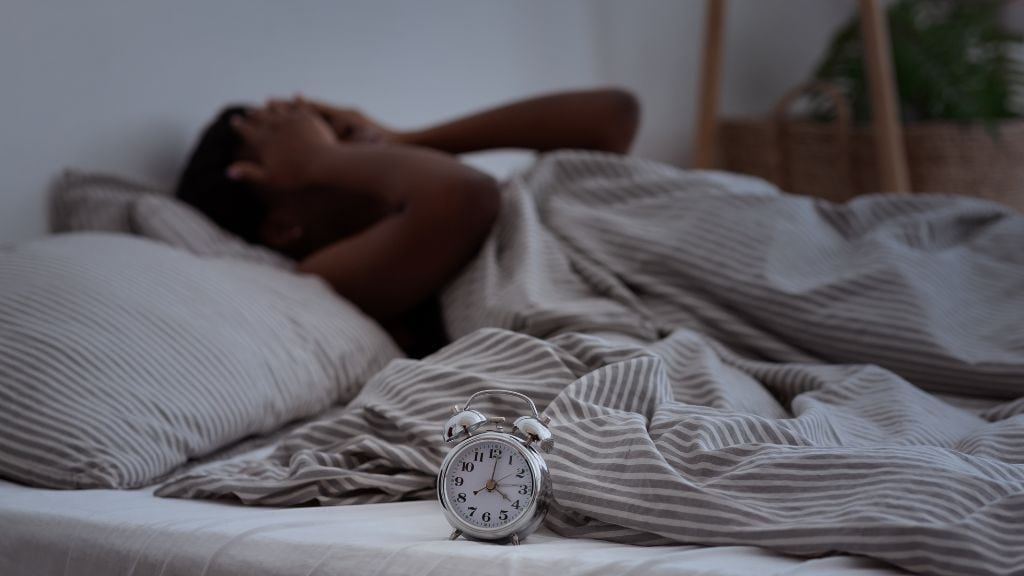
- Insomnia: Struggling to catch some z’s? Your caffeine habit might be to blame, especially if you drink it late in the day.
- Digestive issues: High amounts of caffeine can lead to stomach upset or a faster heart rate.
Children and adolescents should consume far less caffeine. The American Academy of Pediatrics advises against routine caffeine intake for minors (AAP, 2011).
It’s all about balance. Enjoying a Mountain Dew is fine, but keep track of your total daily caffeine intake to stay on the safe side!
Consumer Perceptions and Misconceptions about Caffeine in Mountain Dew
Let’s clear the air about some of the tall tales and real concerns people have about Mountain Dew’s caffeine content:
- Common myths:
- Myth: Mountain Dew has more caffeine than coffee. Fact: While Mountain Dew has a good caffeine kick, it generally contains less than half the caffeine you’d find in an equivalent amount of coffee.
- Myth: Mountain Dew’s caffeine is stronger than other sodas. Fact: While it does have more caffeine than many other soft drinks, it’s not the highest on the market. Some energy drinks and other specialty sodas surpass it.
- Real consumer questions:
- “Is it okay to drink Mountain Dew every day?” While it’s okay to enjoy Mountain Dew daily, it’s important to keep within the recommended caffeine limits and consider the sugar content as part of a balanced diet.
- “Why does Mountain Dew from Canada taste different?” This often relates to the caffeine content differences due to varying food regulations between countries.
Understanding the facts about Mountain Dew and caffeine can help you enjoy your favorite beverage without falling prey to common misconceptions. Stay informed and sip smartly!
Making an Informed Choice: Should You Drink Mountain Dew?
Deciding whether to drink Mountain Dew isn’t just about taste—it’s about understanding your body’s response to caffeine:
- For caffeine-sensitive individuals:
- Know your limits: If you find that caffeine easily upsets your system, causes insomnia, or increases your heart rate, you might want to moderate your intake of caffeinated beverages like Mountain Dew.
- Try smaller amounts: Consider starting with a smaller serving size to assess how you react before committing to a full can.
- Seek alternatives: If Mountain Dew proves too stimulating, look for caffeine-free versions or opt for naturally lower-caffeine drinks like herbal teas.
- For the general public:
- Balance is key: Enjoying Mountain Dew as part of a balanced diet means keeping an eye on your overall consumption of sugars and caffeine throughout the day.
- Hydration is crucial: Remember that water should be your primary source of hydration. Mountain Dew is a treat, not a replacement for water.
- Understand what you’re drinking: Always read the label to be fully aware of the caffeine and sugar content. This helps in making informed choices about how much and how often to indulge.
For most adults, enjoying Mountain Dew occasionally—while tracking total caffeine intake—is perfectly reasonable.
Conclusion
So, does mountain dew have caffeine? Yes—and now you know exactly how much and how it compares.
- Mountain Dew contains about 55 milligrams of caffeine per 12 oz, which is more than most sodas but less than a typical coffee.
- It’s important to know how caffeine affects your body and to recognize the signs of overconsumption, which can lead to health issues like insomnia and nervousness.
- For those who are sensitive to caffeine, consider how much Mountain Dew you consume, or try caffeine-free alternatives that won’t disrupt your sleep or cause jitters.
As you reach for your next can of Dew, think about how it fits into your overall lifestyle and health objectives. Enjoy your beverage choices wisely, and always stay hydrated with plenty of water. Here’s to enjoying your drinks in the healthiest way possible!


Frequently Asked Questions
-
Does Mountain Dew have more caffeine than coffee?
No, Mountain Dew does not contain more caffeine than coffee. While a 12 oz can of Mountain Dew has about 55 milligrams of caffeine, an equivalent serving of brewed coffee typically contains about 120 to 180 milligrams of caffeine. This makes coffee a significantly higher source of caffeine compared to Mountain Dew.
-
Can children drink Mountain Dew safely?
It’s generally advised that children limit their intake of caffeinated beverages, including Mountain Dew. Due to its caffeine content, Mountain Dew can potentially lead to effects such as increased heart rate and restlessness in children. The American Academy of Pediatrics advises against routine caffeine consumption by children and adolescents.
-
How does Mountain Dew compare to energy drinks in terms of caffeine?
Mountain Dew generally contains less caffeine than most energy drinks. While a 12 oz can of Mountain Dew contains about 55 milligrams of caffeine, many energy drinks can contain anywhere from 80 to over 200 milligrams of caffeine per 8 to 12 oz. This makes energy drinks a more potent source of caffeine in comparison to Mountain Dew.
Reference:
American Academy of Pediatrics. (2011). Sports drinks and energy drinks for children and adolescents. Pediatrics, 127(6), 1182–1189. https://doi.org/10.1542/peds.2011-0965