Key Takeaways:
- Does ginger ale have caffeine? No—traditional ginger ale is caffeine-free.
- Ginger ale does not naturally contain caffeine, unlike colas and many sodas.
- It is a popular choice for people avoiding caffeine due to sleep, anxiety, or sensitivity.
- Most major brands confirm 0 mg caffeine, but labels should always be checked.
- Homemade ginger ale gives full control over ingredients and sugar levels.


Imagine a bubbly, golden glass of ginger ale, its fizz tickling your nose as you bring it closer for a sip. This refreshing beverage, beloved by many for its sweet, spicy kick and soothing properties, has been a go-to drink for relaxation and celebration alike.
But one question consistently pops up—especially among health-conscious drinkers and coffee lovers looking to cut back: does ginger ale have caffeine?
Understanding caffeine content isn’t just trivia. For many people, it directly affects sleep quality, anxiety levels, digestion, and daily energy management. If you’re overwhelmed by conflicting beverage advice or trying to make smarter drink choices, knowing exactly what’s in your glass matters.
So, let’s dive into the effervescent world of ginger ale together, exploring its ingredients, caffeine content, and how it fits into our daily lives. This isn’t just about a simple yes or no answer; it’s about enriching our drink choices with knowledge and intention.
Need a Few Simple Tools for Better Home Brewing?
Browse practical Amazon Basics coffee and kitchen gear for grinding, brewing, storing, and setting up your everyday coffee corner.
Paid link. As an Amazon Associate we earn from qualifying purchases.
Understanding Caffeine
When we hear the word caffeine, our minds often jump straight to a steaming cup of coffee, the hero of our mornings. But caffeine is much more than just a wake-up call. It’s a natural stimulant found in over 60 plants worldwide, making it one of the most widely consumed substances on the planet.
What Is Caffeine?
Caffeine is a naturally occurring stimulant found in more than 60 plant species, including coffee beans, tea leaves, and cacao pods. It works by blocking adenosine, the neurotransmitter responsible for making us feel sleepy (Juliano & Griffiths, 2004).
Here’s a simple breakdown:
- Boosts Energy: It temporarily wards off drowsiness and increases energy levels.
- Enhances Focus: Many people feel more focused and have better concentration after a caffeine kick.
- Stimulates the Brain: By blocking adenosine, a neurotransmitter that promotes sleep, caffeine keeps you alert.
However, excessive caffeine intake is associated with insomnia, jitteriness, and increased heart rate, particularly among sensitive individuals (Nawrot et al., 2003).
Common Sources of Caffeine
Caffeine hides in plain sight, sneaking into our daily rituals through various sources. Let’s take a quick tour:
- Coffee: The champion of caffeine, a single cup can contain anywhere from 95 to 200 mg of caffeine, depending on the brew.
- Tea: A more gentle companion, tea offers a varied caffeine content ranging from 15 to 70 mg per cup, with black and green teas leading the pack.
- Soda: Many sodas add caffeine for that extra zing; they typically contain 20 to 40 mg per can.
- Energy Drinks: The heavyweights, these can pack anywhere from 50 to a whopping 300 mg of caffeine per serving.
This is why many people ask: does ginger ale have caffeine, or is it a safer alternative?
Does Ginger Ale Have Caffeine? The Composition of Ginger Ale
Ginger ale, with its unique blend of sweetness and spice, dances on the palate like a lively tune. This beloved beverage, often associated with comfort and festivity, has a simple yet intriguing composition. Let’s peel back the label and discover what really bubbles beneath the surface of every glass of ginger ale.
Key Ingredients in Ginger Ale
The magic of ginger ale starts with a handful of core ingredients, each playing a crucial role in creating its signature taste. Here’s what you’ll find in most ginger ales:
- Ginger: The star of the show, ginger gives this drink its distinctive spicy kick and soothing properties.
- Sugar/Sweeteners: Whether it’s cane sugar, high-fructose corn syrup, or a sugar-free substitute, sweeteners add the necessary sweetness that balances ginger’s sharpness.
- Carbonated Water: The effervescence that gives ginger ale its refreshing fizz and makes it a delightful experience with every sip.
- Flavorings and Preservatives: These ensure your ginger ale tastes the same in every bottle and stays fresh from the factory to your fridge.
Each ingredient is carefully chosen to deliver the perfect mix of spice, sweetness, and sparkle that makes ginger ale a timeless favorite.
Caffeine Content in Ginger Ale
Now, the burning question: does our fizzy friend contain caffeine? The answer is a comforting no. Traditional ginger ale is a caffeine-free zone, making it a suitable choice for those looking to avoid caffeine or seeking a gentle drink at any time of the day. Here’s why this matters:
- Sleep-Friendly: Enjoying a glass of ginger ale in the evening won’t keep you tossing and turning at night.
- Inclusive: Whether you’re sensitive to caffeine or just prefer to avoid it, ginger ale welcomes everyone with its open arms.
- Hydration: Without caffeine’s diuretic effect, ginger ale can help you stay hydrated.
In a world buzzing with caffeine, ginger ale stands out as a calm, comforting oasis. Its lack of caffeine is not a drawback but a feature that adds to its appeal, allowing it to be a versatile drink for any occasion, any time of the day.
Comparing Ginger Ale to Other Beverages
Navigating the beverage aisle can sometimes feel like choosing a character in a video game—each option comes with its own set of attributes and power-ups. Ginger ale, with its unique charm, stands out from the crowd. Let’s see how it stacks up against other popular choices.
Ginger Ale vs. Soda
Ginger ale is often lumped together with the wide world of sodas, but when we zero in on caffeine content and health implications, subtle but significant differences emerge.
- Caffeine Content: Unlike many of its soda counterparts, which can pack a caffeinated punch, ginger ale is typically caffeine-free. This makes it a more peaceful choice for your body, especially in the evenings.
- Health Implications: While ginger ale contains sugar and calories like most sodas, its ginger content offers mild digestive benefits, not found in most other sodas. Ginger may help reduce nausea (Ernst & Pittler, 2000).
- Timing flexibility: Ginger ale can be consumed any time of day.
This comparison often reassures readers still wondering does ginger ale have caffeine when shopping.
Ginger Ale vs. Ginger Beer

Ginger ale and ginger beer are often mistaken for each other, yet they parade distinct differences in ingredients, taste, and yes, caffeine content.
- Ingredients & Taste: Ginger beer, traditionally brewed and fermented, offers a stronger, spicier ginger kick compared to the milder, sweeter ginger ale. This difference stems from the brewing process and the amount of ginger used.
- Caffeine Content: Like ginger ale, most ginger beers are caffeine-free. However, their bolder taste and sometimes higher sugar content distinguish them in the beverage lineup.
- Usage: While ginger ale is a soothing sipper on its own or a gentle mixer in cocktails, ginger beer’s robust flavor makes it a favorite for more spicy and complex drinks.
Whether you lean towards the gentle fizz of ginger ale or the bold zing of ginger beer, both beverages offer unique experiences free from caffeine’s buzz. The choice between them often comes down to personal preference for sweetness or spice.
5 Health Benefits of Ginger Ale
Ginger ale isn’t just a delight to the taste buds; it’s also packed with benefits that can make a difference in your well-being. From soothing your stomach to hydrating your body, here’s how this fizzy favorite can be more than just a refreshing drink.
Digestive Aid
Ginger, the key ingredient in ginger ale, is like a gentle pat on the back for your digestive system. Here’s what it does:
- Soothes Stomach Aches: Ginger’s natural properties can help relax the gastrointestinal muscles, offering relief from discomfort and bloating.
- Nausea Relief: Whether it’s motion sickness, morning sickness, or a side effect of treatment, ginger has been shown to help reduce feelings of nausea.
A glass of ginger ale might just be the soothing sip your stomach is seeking.
Low Calorie
When compared to other sodas, ginger ale can be a lighter option, depending on the brand. Some ginger ales are crafted to be low-calorie or diet, providing the bubbly sensation and ginger taste without the heavy sugar load. This makes it a friendlier choice for those watching their calorie intake.
Hydration
Being caffeine-free, ginger ale hydrates without the diuretic effects of caffeine, which means it helps your body retain more fluid. This is especially beneficial on hot days or when you’re trying to stay hydrated without the buzz.
Antioxidant Properties
Ginger isn’t just for flavor; it’s also packed with antioxidants. Ginger contains bioactive compounds with antioxidant potential (Ali et al., 2008).
These powerful compounds fight off oxidative stress in the body, which can reduce the risk of chronic diseases. Incorporating ginger ale into your diet can add a dash of these health-boosting antioxidants.
Mild Analgesic
Ginger’s benefits extend to pain relief. Its anti-inflammatory properties can help reduce pain and inflammation, acting as a mild analgesic. Whether it’s muscle pain after a workout or a headache after a long day, a glass of ginger ale might provide some natural relief.
Remember, while ginger ale offers these health benefits, it’s also important to consume it in moderation, especially varieties with high sugar content. Opting for a ginger ale with natural sweeteners or reduced sugar can maximize these benefits while minimizing any downsides.
How to Choose the Best Ginger Ale
Navigating the ginger ale selection can feel like a treasure hunt. With so many options, how do you choose the one that’s right for you? Whether you’re looking for the perfect mixer or a soothing sipper, here are some tips to help you pick the best ginger ale.
Caffeine-Free Labels
First things first: check the label. While ginger ale is generally caffeine-free, it’s always a good idea to confirm. Here’s why:
- Assurance: Labels provide clarity on what you’re consuming, ensuring you avoid unwanted caffeine.
- Transparency: A caffeine-free label indicates the brand’s commitment to transparency, allowing you to make informed choices about your beverage.
When in doubt, a quick glance at the label can give you peace of mind that your ginger ale is indeed caffeine-free.
Natural vs. Artificial Flavors
The debate between natural and artificial flavors is a hot topic in the beverage world. Here’s what to consider:
- Health Implications: Natural ginger ales, made from real ginger, offer the antioxidant and digestive benefits of ginger. In contrast, artificially flavored options might miss out on these health perks.
- Taste Experience: Natural ginger provides a more authentic and robust flavor, enhancing your ginger ale experience.
Opting for ginger ales made with natural ginger not only supports better health but also delivers a more genuine and satisfying taste.
Sugar Content
Sugar content is a sweet spot of contention in choosing the right ginger ale. Here’s how to navigate this:
- Health Considerations: High sugar intake can lead to various health issues, so it’s crucial to be mindful of how much sugar is in your ginger ale.
- Alternatives: Look for ginger ales with lower sugar content or those sweetened with natural alternatives like stevia or honey. Some brands offer diet or zero-sugar versions, providing the same great taste without the sugar rush.
Balancing the desire for sweetness with health considerations can help you choose a ginger ale that’s refreshing, delicious, and better for you.
DIY Ginger Ale Recipe – A Caffeine-Free Refreshment
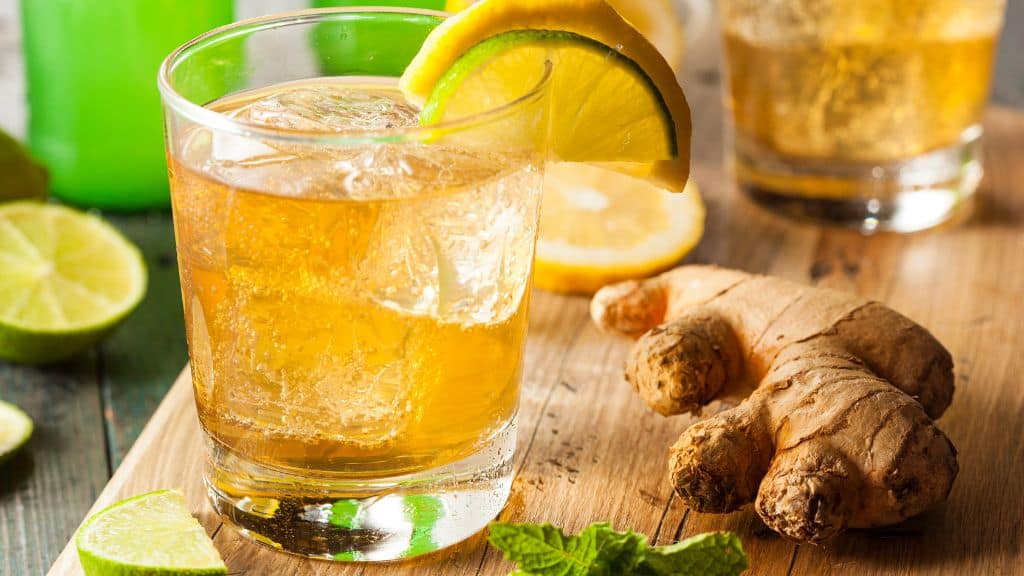
Creating your own ginger ale at home is not only fun but also puts you in the driver’s seat regarding ingredients. This way, you can enjoy a refreshing, caffeine-free beverage while controlling the sugar and ensuring it’s all-natural. Let’s get started on this simple, fizzy delight.
Ingredients:
- 1 cup of fresh ginger, peeled and finely chopped
- 1 cup of sugar (or adjust to taste, or use a natural sweetener alternative)
- 2 cups of water
- Sparkling water
- Lemon or lime juice (optional for added zest)
- Fresh mint leaves (optional for garnish)
Steps:
- Make the Ginger Syrup: In a saucepan, combine the chopped ginger, sugar, and water. Bring to a boil, then simmer for about 30 minutes to infuse the ginger flavor. This creates a rich syrup.
- Strain: Let the mixture cool, then strain it through a fine mesh to remove the ginger pieces. What you’ll have is a potent ginger syrup, the base of your ginger ale.
- Mix: To serve, fill a glass halfway with ice. Pour in about 1/4 cup of ginger syrup (or adjust to taste), then top up with sparkling water. Add a squeeze of lemon or lime juice for a citrusy twist.
- Garnish and Enjoy: Add a sprig of mint for an extra touch of freshness. Stir well and enjoy your homemade, caffeine-free ginger ale!
By making ginger ale at home, you have the freedom to adjust the sweetness, flavor intensity, and even experiment with additional flavors, all while keeping it caffeine-free.
Conclusion
So, does ginger ale have caffeine? The answer remains a confident no. Traditional ginger ale is naturally caffeine-free, making it a comforting, versatile beverage for those managing caffeine intake.
Whether you enjoy it store-bought or homemade, ginger ale offers fizz, flavor, and flexibility—without the buzz.
Choosing the best ginger ale involves considering caffeine content, natural flavors, and sugar levels, ensuring you enjoy a drink that’s as healthy as it is delicious. And for those looking to fully customize their beverage experience, making ginger ale at home offers complete control over every aspect.
So, why not give caffeine-free ginger ale a try? Whether store-bought or homemade, it’s a versatile, health-conscious choice that promises to refresh, soothe, and delight with every sip.


Frequently Asked Questions
Does ginger naturally contain caffeine?
No, ginger does not naturally contain caffeine. This versatile root is celebrated for its spicy flavor and numerous health benefits, including digestive aid and anti-inflammatory properties, without the stimulating effects of caffeine. Consequently, traditional ginger ale, made primarily with ginger, water, and sweetener, is caffeine-free, making it a great choice for those looking to avoid caffeine in their diet.
Can ginger ale help with weight loss?
While ginger itself has been associated with metabolic benefits and may aid in weight loss efforts as part of a healthy lifestyle, ginger ale should be consumed with consideration. Commercial ginger ales can contain high levels of sugar, which could counteract weight loss efforts. For those looking to benefit from ginger’s potential weight loss properties, opting for a homemade ginger ale with less sugar or a natural sweetener may be a better choice. Always remember, moderation is key, and incorporating physical activity and a balanced diet is essential for effective weight loss.
Is ginger ale safe for children?
Yes, ginger ale is generally safe for children, as it is caffeine-free. It can be a soothing option for little ones with an upset stomach or nausea. However, due to its sugar content, it’s advisable to give ginger ale to children in moderation. For a healthier alternative, parents might consider homemade ginger ale recipes where the sugar level can be adjusted, or natural sweeteners can be used. As with any dietary choice for children, it’s best to consult with a pediatrician, especially if the child has specific health concerns or dietary restrictions.
References:
Ali, B. H., Blunden, G., Tanira, M. O., & Nemmar, A. (2008). Some phytochemical, pharmacological and toxicological properties of ginger (Zingiber officinale): A review of recent research. Food and Chemical Toxicology, 46(2), 409–420. https://doi.org/10.1016/j.fct.2007.09.085
Ernst, E., & Pittler, M. H. (2000). Efficacy of ginger for nausea and vomiting: A systematic review. British Journal of Anaesthesia, 84(3), 367–371. https://doi.org/10.1093/oxfordjournals.bja.a013442
Juliano, L. M., & Griffiths, R. R. (2004). A critical review of caffeine withdrawal. Psychopharmacology, 176(1), 1–29. https://doi.org/10.1007/s00213-004-2000-x
Nawrot, P., Jordan, S., Eastwood, J., Rotstein, J., Hugenholtz, A., & Feeley, M. (2003). Effects of caffeine on human health. Food Additives & Contaminants, 20(1), 1–30. https://doi.org/10.1080/0265203021000007840