Key Takeaways:
- ❌ Can dogs eat coffee beans? No—coffee beans are toxic to dogs and can cause serious health emergencies.
- Even small amounts of caffeine can trigger poisoning, especially in small dogs.
- Symptoms can appear within 1–2 hours and may escalate quickly.
- Immediate veterinary care significantly improves recovery outcomes.
- Prevention—safe storage and awareness—is the most effective protection.
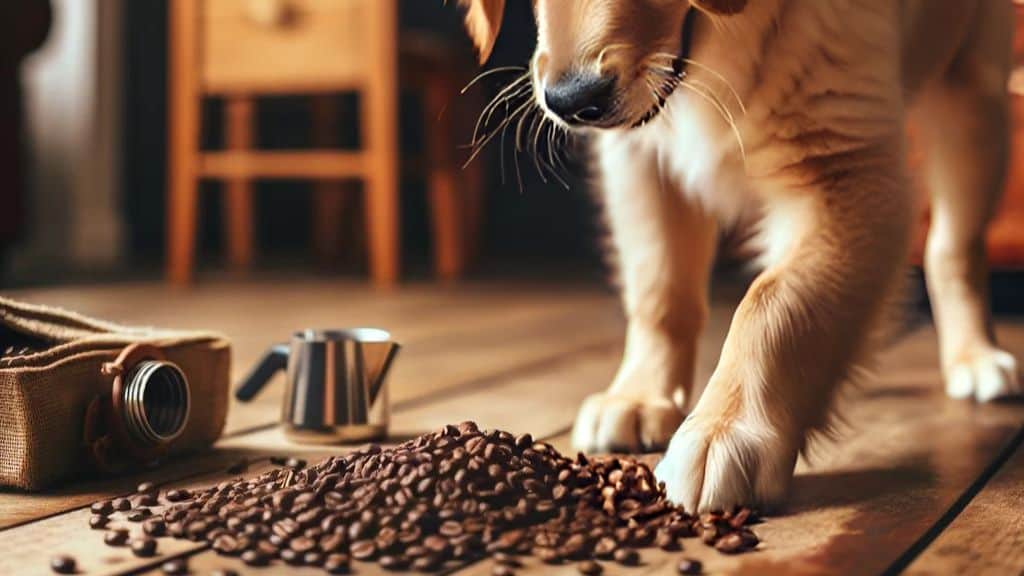
Can dogs eat coffee beans? Absolutely not. Coffee beans contain caffeine and theobromine—both of which are highly toxic to dogs and can lead to life-threatening complications if ingested.
Hey, fellow dog lovers! As a coffee enthusiast, I know how every sip can brighten our day. But did you know that what’s delightful for us might not be safe for our furry friends?
Understanding which foods are safe and which are harmful to dogs is crucial. Today, let’s dive into a common household item—coffee beans—and discuss why pet owners frequently ask, can dogs eat coffee beans, and why the answer matters so much.
There’s a growing concern among pet owners about everyday foods that appear harmless but pose hidden risks. If you’ve ever wondered, can dogs eat coffee beans, this guide will give you clear, evidence-based answers so you can act with confidence.
Need a Few Simple Tools for Better Home Brewing?
Browse practical Amazon Basics coffee and kitchen gear for grinding, brewing, storing, and setting up your everyday coffee corner.
Paid link. As an Amazon Associate we earn from qualifying purchases.
What Happens if a Dog Eats Coffee Beans?
Have you ever wondered what could happen if your dog sneaks a coffee bean or two?
Well, let’s unpack this.
Coffee beans contain caffeine and theobromine—two stimulants dogs cannot metabolize efficiently. Once absorbed, these compounds overstimulate the nervous and cardiovascular systems (Peterson, Talcott, & Gwaltney-Brant, 2013).
Immediate symptoms to watch for include:
- Hyperactivity: Just like caffeine can give us a boost, it can make your dog unusually energetic.
- Vomiting and Diarrhea: Their bodies try to get rid of the toxins as quickly as possible.
- Tremors: These can be a sign of serious poisoning.
- Severity varies: The smaller your dog, the less caffeine it takes to cause serious problems.
Severity depends largely on body weight. Smaller dogs are at much higher risk because it takes less caffeine to reach toxic levels.
This is why veterinarians strongly advise against exposure—can dogs eat coffee beans is never a matter of moderation, but of absolute avoidance.
The Science Behind Coffee Bean Toxicity in Dogs
Ever wonder what makes coffee beans so risky for dogs? Let’s get into the nitty-gritty of it.
Caffeine stimulates the central nervous system and heart. Dogs metabolize caffeine far more slowly than humans, allowing it to build up to dangerous levels.
- Chemical Breakdown: Caffeine stimulates your dog’s central nervous system, which can lead to increased blood pressure and abnormal heart rhythms. Theobromine, another component found in coffee beans, is similar to caffeine and adds to the toxicity.
Now, let’s compare different types of coffee exposures:
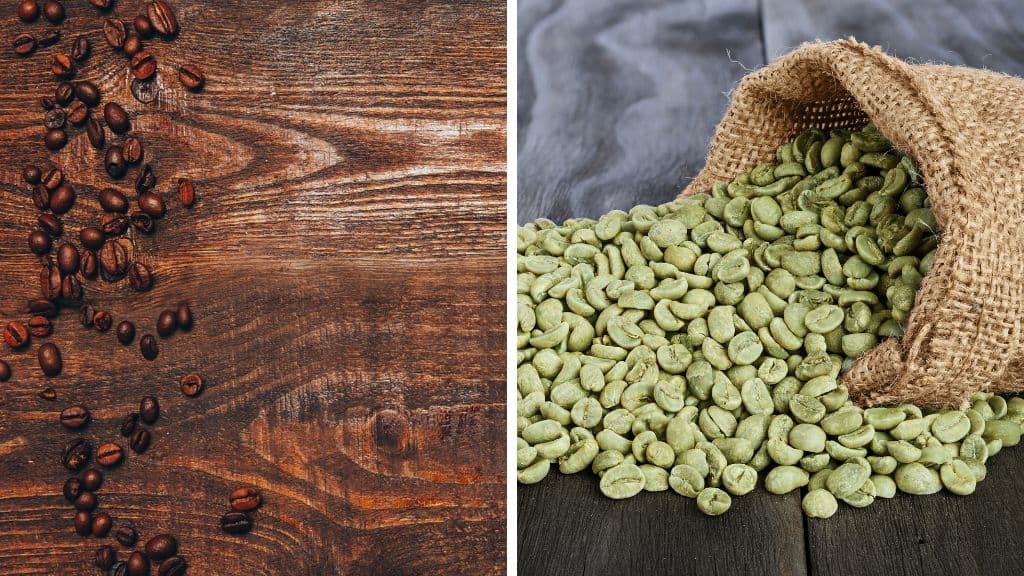
- Roasted vs. Green Coffee Beans:
- Roasted Beans: Typically have a slightly lower caffeine content due to the roasting process.
- Green Beans: These are raw and not only harsher in taste but also contain a higher level of caffeine, making them more toxic.
- Coffee Grounds vs. Whole Beans:
- Grounds: More dangerous because they present a larger surface area and can release caffeine more quickly.
- Whole Beans: May cause less immediate effects due to slower digestion and caffeine release.
Expert insight: “There is no safe form of coffee for dogs—beans, grounds, or brewed coffee all carry significant risk”.


How Many Coffee Beans Are Dangerous for Dogs?
Pet owners often ask for exact numbers, but veterinarians caution against focusing on dosage alone. Toxic effects have been reported with ingestion of as little as 9 mg of caffeine per pound of body weight, with severe toxicity occurring at higher doses (Peterson et al., 2013).
Because caffeine concentration varies by bean type and grind size, the safest rule is simple: if you’re asking can dogs eat coffee beans, the answer is no—regardless of quantity.
Reported Cases and Veterinary Insights
It’s one thing to talk about the dangers of coffee beans for dogs, but seeing real-life examples brings the point home. Let’s look at a few incidents where dogs have gotten into coffee and the steps that were taken to help them.
Case Studies Overview:
- A Curious Puppy: A Labrador puppy once snatched a coffee bean off the kitchen floor. Within an hour, the puppy showed signs of hyperactivity and distress. The owner quickly contacted their vet, who advised them to bring the puppy in for observation and treatment, including fluids and medication to manage the symptoms.
- An Accidental Ingestion: Another case involved a small terrier who ate a handful of coffee grounds from the trash. The dog experienced severe vomiting and was trembling. At the vet, they performed gastric lavage (stomach pumping) and provided supportive care over several days.
Veterinary Insights:
- Veterinarian: “When a dog ingests coffee beans, it’s crucial to act quickly. Caffeine can be absorbed rapidly, and the sooner we can intervene, the better the chances of a full recovery.”
- Emergency Procedures Recommended:
- Immediate consultation with a vet.
- Inducing vomiting if advised by a professional.
- Intravenous fluids to help flush out the toxins.
- Monitoring heart rate and blood pressure closely.
Expert Opinion:
- Veterinary Toxicologist: “Prevention is key. Keeping coffee beans, grounds, and even beverages out of reach can prevent these emergencies. If ingestion does occur, knowing the symptoms and reacting swiftly can make all the difference.”
Preventive Measures to Protect Your Dog
Keeping our canine companions safe from harm includes being cautious with everyday items like coffee. Here’s how you can ensure your coffee stash doesn’t pose a danger to your dog:
- Safe Storage Tips:
- High and Locked: Always store coffee beans in high cabinets that are inaccessible to your pets. Consider child-proof locks for lower cabinets.
- Secure Containers: Use airtight containers to store your coffee beans and grounds. This not only keeps them fresh but also less appealing and reachable to curious noses.
- Pet-Proofing Coffee Areas: Make sure your coffee making area is clean and free from loose beans or grounds. Immediately clean up any spills to avoid pawed investigations.
- Alternatives to Coffee for Pet-Safe Homes:
- Herbal Teas: Many herbal teas are safe and can be a relaxing alternative to coffee.
- Decaffeinated Coffee: If you can’t give up the taste, opt for decaffeinated versions, though these should still be kept out of reach as they contain trace amounts of caffeine.
- Chicory Coffee: This coffee alternative is naturally caffeine-free and offers a similar flavor profile.
Even decaffeinated coffee contains trace caffeine and should not be accessible to dogs.
What to Do If Your Dog Eats Coffee Beans
Despite all precautions, accidents can happen. Knowing what to do next is crucial:
- Immediate Actions:
- Do Not Wait: If you suspect your dog has eaten coffee beans, act immediately.
- Call Your Vet: Contact your veterinarian or an emergency pet poison control hotline. They can give you specific instructions based on the amount ingested and your dog’s size.
- Follow Instructions: You may be instructed to induce vomiting. However, do this only if explicitly directed by a professional, as it can sometimes cause more harm than good.
- Long-term Health Monitoring:
- Observation Period: After the initial treatment, keep a close eye on your dog for any lingering or delayed symptoms. This might include changes in behavior, appetite, or bowel movements.
- Diet Adjustments: Your vet might recommend a bland diet temporarily to help your dog’s digestive system recover.
- Regular Vet Visits: Schedule follow-up visits to ensure your dog has completely recovered and no further health issues have arisen.
Conclusion
Today, we’ve explored the significant risks that coffee beans pose to our furry friends, along with actionable steps to prevent accidental ingestion and what to do if an incident occurs.
We’ve discussed the chemical dangers of caffeine and theobromine in coffee, looked at real-life cases of dogs affected by coffee toxicity, and provided preventative strategies to keep our pets safe.
Awareness and prevention are key. By understanding the potential hazards and taking proactive steps to safeguard our homes, we can ensure that our dogs live happy, healthy lives without the risk posed by everyday items like coffee.
I encourage all pet owners to maintain vigilance and foster a safe environment for their beloved pets.
Frequently Asked Questions: Can Dogs Eat Coffee Beans?
-
Can dogs have any amount of caffeine?
No, dogs should not have any amount of caffeine. Even small amounts can be dangerous, so it’s best to keep all caffeinated products, including coffee beans and grounds, away from dogs.
-
Are certain breeds more sensitive to caffeine?
Sensitivity can vary more by size than breed. Smaller dogs are generally at a higher risk because it takes much less caffeine to affect them compared to larger dogs. However, no dogs are safe from the effects of caffeine.
-
What are the long-term effects of caffeine poisoning in dogs?
If not treated promptly, caffeine poisoning can lead to serious health issues such as kidney failure, heart arrhythmias, and in severe cases, death. Dogs that survive may need ongoing veterinary care to manage any lasting effects of the toxin.
References:
Peterson, M. E., Talcott, P. A., & Gwaltney-Brant, S. M. (2013). Small animal toxicology (3rd ed.). Elsevier.