Key Takeaway:
- You can turn the mistake of “accidentally bought whole coffee beans” into an opportunity for fresher, more flavorful coffee by learning proper storage, bean selection, and at-home grinding techniques.
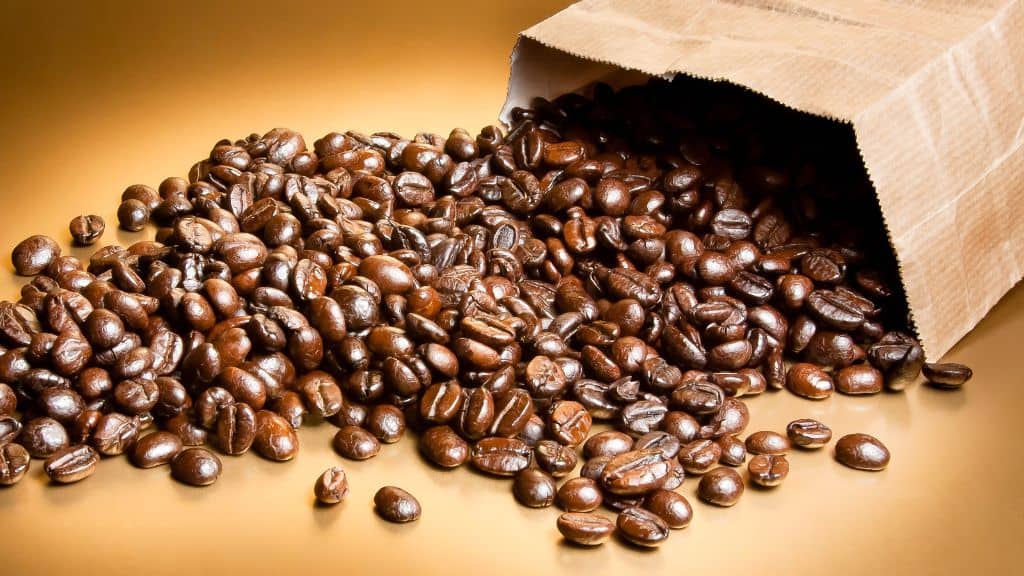
Hey there, coffee lover! Ever found yourself staring at a bag of accidentally bought whole coffee beans? Don’t worry, you’re not alone. It’s a common mix-up. But guess what? It’s actually a blessing in disguise!
Whole coffee beans? Yes, you heard it right. They’re like little nuggets of gold for coffee enthusiasts. They pack a punch of freshness that pre-ground coffee just can’t match.
So, instead of fretting over this “oops” moment, let’s turn it into a “wow” moment. Ready to embark on a flavorful journey? Let’s dive in!


How to Store Whole Coffee Beans for Maximum Freshness
Proper storage is the first step toward great coffee.
Need a Few Simple Tools for Better Home Brewing?
Browse practical Amazon Basics coffee and kitchen gear for grinding, brewing, storing, and setting up your everyday coffee corner.
Paid link. As an Amazon Associate we earn from qualifying purchases.
- Airtight Containers: Transfer beans into a sealed, opaque container to protect from light and air.
- Ideal Environment: Keep in a cool, dark place—avoid the fridge or freezer to prevent moisture buildup.
- Shelf Life Tip: Use beans within 2–4 weeks of roast date for peak flavor.
Bean Selection Tips
Choosing the right beans sets the stage for your brew.
- Single-Origin vs. Blends: Singles showcase specific flavor profiles (e.g., fruity Ethiopian), while blends offer balance and consistency.
- Roast Levels: Light roasts preserve origin characteristics; dark roasts bring bolder, chocolatey notes.
- Ethical Sourcing: Look for Fair Trade or Rainforest Alliance certifications—you’ll taste the difference and support sustainable farms.

Why Whole Coffee Beans Can Be Better
Ever wondered why coffee from your favorite café tastes so much better? The secret lies in the beans – whole coffee beans, to be precise. Let’s break it down:
Freshness and Flavor
- Pro: Whole coffee beans retain their freshness longer than pre-ground coffee. They’re like a sealed vault, keeping the flavor locked in until you’re ready to brew. Grinding your own beans means you’re unlocking that vault of freshness right before brewing. The result? A cup of coffee that’s bursting with flavor.
- Expert Tip: For the best taste, grind your beans just before you’re ready to brew. This ensures you’re getting the freshest cup of coffee possible.
Pre-Ground Coffee’s Flavor Loss
- Con: Pre-ground coffee might be convenient, but it comes with a trade-off. Once coffee is ground, it starts losing its flavor. Why? Because grinding increases the surface area exposed to air, accelerating the process of oxidation. This is a fancy way of saying your coffee is going stale.
- Example: Think of it like a cut apple. Leave it out, and it starts to brown. That’s oxidation. The same thing happens to your coffee.
- Pro Tip: If you’re using pre-ground coffee, store it in an airtight container in a cool, dark place to help slow down the oxidation process.
So, while buying whole coffee beans might have been an accident, it’s a happy one. You’re on your way to a fresher, tastier cup of coffee. Ready to learn how to grind those beans? Let’s go!
Grinding Your Accidentally Bought Whole Coffee Beans at Home

Welcome to the world of DIY coffee grinding! It’s not just about crushing those accidentally bought whole coffee beans. It’s an art. The size and consistency of your grind can make a huge difference in the taste of your coffee. Let’s explore some home-friendly methods to grind your coffee beans:
Using a Food Processor
A food processor is a versatile kitchen tool, and yes, it can grind your coffee beans too!
- How to: Simply put your beans in, secure the lid, and pulse until you get the desired grind. Easy, right?
- Grind Type: You can achieve a coarse to medium grind with a food processor. Perfect for a French press or drip coffee maker.
- Pro Tip: Don’t overfill the processor. Grind in small batches for a more consistent grind.
Using a Blender
No food processor? No problem! Your blender can come to the rescue.
- How to: Use the pulse setting if your blender has one. Just like the food processor, don’t overfill and grind in small batches.
- Pros and Cons: While a blender can give you a decent grind, it might not be as consistent as other methods. But hey, it’s better than no coffee, right?
Using a Rolling Pin
Get ready for a mini workout with this method!
- How to: Put your beans in a ziplock bag, squeeze out the air, and start rolling. Apply pressure to crush the beans.
- Grind Type: You can achieve a medium to fine grind with a rolling pin, depending on your patience and arm strength!
Using a Large Kitchen Knife
This method requires a bit of caution, but it can do the trick.
- How to: Place your beans on a cutting board and carefully crush them with the flat side of the knife.
- Safety First: Always keep your fingers away from the blade and take your time. Safety over speed, folks!
Using a Mallet or Meat Tenderizer

Another tool for your coffee grinding workout!
- How to: Just like the rolling pin method, put your beans in a bag and start hammering. But remember, we’re crushing beans, not smashing windows!
- Grind Type: This method can give you a coarse grind, great for a French press.
Using a Mortar and Pestle
This method is as old as time, and it’s perfect for grinding coffee beans.
- How to: Put a small amount of beans in the mortar and start grinding with the pestle.
- Pros and Cons: While this method can give you a consistent grind, it can be a bit time-consuming. But think of the aroma of freshly ground coffee. Worth it, right?
Using a Salt or Pepper Mill
If you have a spare mill lying around, it can be your coffee grinding hero.
- How to: Fill the mill with coffee beans and start grinding.
- Grind Type: A mill can give you a fine grind, perfect for an espresso.
So, there you have it! Seven ways to grind your coffee beans at home. Remember, the key is consistency. Happy grinding!
Equipment Recommendations
| Grinder Type | Pros | Cons |
|---|---|---|
| Blade (e.g., blender) | Affordable, multi-use | Inconsistent grind sizes |
| Burr (entry-level) | Consistent grind, adjustable settings | Higher cost |
| Manual Hand Grinder | Portable, precise control | Requires effort |
How to Use Your Freshly Ground Coffee
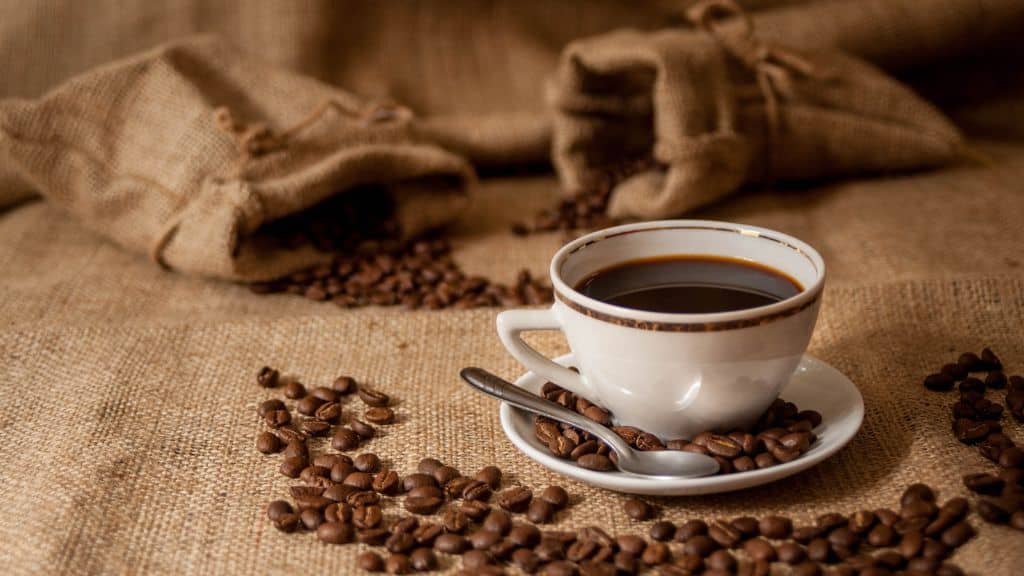
Congratulations! You’ve just ground your accidentally bought whole coffee beans. Now, what to do with all that aromatic, freshly ground coffee? Let’s explore:
Brewing the Perfect Cup
The most obvious use for your freshly ground coffee is, of course, to brew a delicious cup of joe. The method you choose will depend on your grind size:
- Coarse Grind: Ideal for a French press or cold brew.
- Medium Grind: Perfect for drip coffee makers.
- Fine Grind: The choice for espresso machines.
Remember, the fresher the grind, the better the taste. So, grind just before brewing for the best flavor.
Coffee-Flavored Desserts
But coffee isn’t just for drinking. It’s also a fantastic ingredient in desserts. Here are a couple of simple recipes to get you started:
- Coffee Ice Cream: Mix 2 cups of heavy cream, 1 cup of whole milk, 3/4 cup of sugar, and 1 cup of your freshly ground coffee in a saucepan. Heat until the sugar dissolves, then chill the mixture in the fridge. Once cold, strain out the coffee grounds and churn in an ice cream maker.
- Coffee Chocolate Brownies: Add 2 tablespoons of your freshly ground coffee to your favorite brownie mix for a delicious coffee-chocolate combo. Just mix, bake, and enjoy!
So, whether you’re sipping it from a mug or savoring it in a dessert, your freshly ground coffee is ready to delight. Enjoy the fruits of your labor and remember – every coffee bean you grind yourself is a step towards a more flavorful, aromatic coffee experience. Enjoy!
Frequently Asked Questions
-
What to do if I accidentally bought whole coffee beans?
No worries! You can grind them at home using various methods like a food processor, blender, rolling pin, kitchen knife, mallet, mortar and pestle, or even a salt or pepper mill. It’s a fun DIY project that can lead to a fresher, more flavorful cup of coffee.
-
Is it a better deal to buy whole bean coffee?
Absolutely! Whole bean coffee tends to be fresher and more flavorful than pre-ground coffee. Plus, you can control the grind size to suit your preferred brewing method. It might require a bit more effort, but the taste is worth it.
-
Can you drink whole bean coffee?
Not directly. Whole coffee beans need to be ground and brewed before they can be consumed as a drink. However, you can eat chocolate-covered coffee beans as a snack!
-
How do you use whole coffee beans without a grinder?
You can use common kitchen tools to grind your coffee beans. A food processor or blender can do the job, or you can go old-school and use a mortar and pestle.
Even a rolling pin or a mallet can work in a pinch. The key is to grind the beans to the consistency that best suits your brewing method.


Conclusion
So, there you have it, folks! Accidentally buying whole coffee beans isn’t a mistake, but a step towards a more flavorful coffee experience. Embrace the grind, enjoy the process, and remember – every cup of coffee you brew from freshly ground beans is a testament to your coffee-loving spirit. Cheers to that! ☕