Key Takeaways:
- If you’re deciding between latte vs cappuccino vs macchiato, think milk ratio and foam: latte = most milk and a thin foam cap (creamy/mild), cappuccino = balanced espresso–milk–foam (stronger/airier), macchiato = espresso “stained” with a spoon of foam (boldest).
- Pick by preference: creamy comfort → latte; balanced and foamy → cappuccino; compact and intense → macchiato.


When people search for latte vs cappuccino vs macchiato, they want a quick, confident way to tell these espresso classics apart and choose the one that fits their taste and routine.
Have you ever stood at a coffee shop, staring at the menu, and wondered what really sets a latte apart from a cappuccino or a macchiato?
Latte vs Cappuccino vs Macchiato? You’re not alone! These espresso-based drinks are super popular, but it’s easy to get them mixed up.
I’m here to clear up the confusion and make your next coffee choice a breeze. Understanding these differences is key for us coffee enthusiasts – it’s like knowing your favorite sports teams inside out!
Need a Few Simple Tools for Better Home Brewing?
Browse practical Amazon Basics coffee and kitchen gear for grinding, brewing, storing, and setting up your everyday coffee corner.
Paid link. As an Amazon Associate we earn from qualifying purchases.
Latte vs Cappuccino vs Macchiato: Quick Answer
A latte uses 1–2 shots of espresso plus the most steamed milk and a thin foam cap (creamy, milder). A cappuccino balances equal parts espresso, steamed milk, and airy foam (stronger, textured). A traditional espresso macchiato is a shot “stained” with a spoon of foam (boldest, least milk).
What is a Latte?
Let’s talk about the latte, a coffee shop favorite that’s loved worldwide. Picture yourself in a bustling Italian café, the heart of where the latte came to life. Here’s what you need to know about this delightful drink:
- Definition and Origin: In Italy, ‘latte’ simply means ‘milk.’ The latte, as we know it, is a creamy blend of espresso and steamed milk, with origins tracing back to European coffee houses.
- Key Components:
- Espresso: The foundation of a latte, providing that rich coffee flavor.
- Steamed Milk: About two-thirds of the drink, adding smoothness and warmth.
- Milk Foam: A thin layer on top, giving a velvety texture.
- Flavor Profile: Lattes are known for their mild and creamy taste, making them a great choice for those who prefer a less intense coffee experience.
And here’s the fun part – the variations! From adding a shot of vanilla or caramel for a sweet twist to experimenting with almond or oat milk for a dairy-free option, lattes are wonderfully versatile. You can even get creative with latte art, turning your morning coffee into a mini masterpiece.
So next time you’re sipping on a latte, remember its rich history and the simple elegance of its ingredients. Whether you like it classic or customized, the latte is a timeless choice for coffee lovers everywhere.
Pro Barista Tip: Aim for milk between ~55–65°C (130–150°F) for peak sweetness and stable microfoam; whole milk gives the glossiest texture, but quality oat milk can also create silky foam.
What is a Cappuccino?
Now, let’s dive into the cappuccino. Imagine a cozy Italian café, the sound of an espresso machine hissing in the background. That’s where the cappuccino comes from! It’s a classic, with a rich history dating back to the 1700s in Europe. Here’s what makes a cappuccino special:
- Composition: It’s all about balance – equal parts of espresso, steamed milk, and frothy, cloud-like milk foam.
- Taste: The cappuccino packs a punch with a stronger espresso flavor than a latte, balanced by the sweetness of the milk.
- Serving Styles: Traditionally served in a smaller cup than a latte, it’s perfect for those who enjoy a robust coffee flavor with a creamy texture.
Pro Tip: For an authentic experience, enjoy a cappuccino in the morning – that’s how the Italians do it!
Wet vs Dry Cappuccino
“Wet” cappuccino = more steamed milk, less foam; silkier and a touch sweeter.
“Dry” cappuccino = less steamed milk, more foam; airier texture and stronger perceived coffee flavor.
What is a Macchiato?
Last but not least, the macchiato. This one’s a bit of a mystery to many. The word ‘macchiato’ means ‘stained’ or ‘spotted’ in Italian, and that’s exactly what this drink is – espresso ‘stained’ with a dollop of milk. Here’s the lowdown:
- Origin: The macchiato was created as a way for baristas to signal to waiters that an espresso had a touch of milk in it.
- Ingredients: It starts with a shot of bold espresso, then topped with just a splash of milk or foam.
- Flavor: Expect a strong espresso taste with just a hint of creaminess from the milk.
And here’s a twist: the Starbucks-style macchiato is quite different, often layered with flavors, more milk, and even caramel drizzle. It’s a sweeter, more dessert-like take on the traditional macchiato.
Espresso Macchiato vs Latte Macchiato
Espresso macchiato: espresso first, “stained” with foam (tiny, bold).
Latte macchiato: steamed milk first, then espresso “marks” the milk (larger, milk-forward, layered look).
Comparing Latte, Cappuccino, and Macchiato

Choosing between latte vs cappuccino vs macchiato can be like picking your favorite movie – tough but fun!
Let’s break it down with a visual comparison and dive into the unique flavors and textures of each. Plus, I’ll share the best times to enjoy these delightful drinks.
- Visual Comparison:
- Latte: Think of a tall, graceful glass filled with layers of espresso and steamed milk, topped with a whisper of foam.
- Cappuccino: Picture a cozy, round cup, with equal thirds of espresso, steamed milk, and frothy foam, like a soft, coffee-flavored cloud.
- Macchiato: Imagine a small, strong shot of espresso, playfully ‘stained’ with a splash of milk or foam.
- Flavor and Texture:
- Latte: Creamy and smooth, with a gentle coffee taste. It’s like a warm blanket on a chilly morning.
- Cappuccino: Bold and balanced, with a rich coffee flavor and a velvety foam topping. It’s the perfect pick-me-up.
- Macchiato: Strong and straightforward, with a punch of espresso softened by a touch of milk. It’s a quick, flavorful jolt of energy.
- Best Occasions and Times of Day:
- Latte: Ideal for a leisurely morning or a relaxed afternoon. It’s the perfect companion for a good book or a catch-up with friends.
- Cappuccino: Best enjoyed in the morning, following Italian tradition. It’s great for starting your day with a bit of zest.
- Macchiato: Perfect for an afternoon boost or when you need a quick, strong coffee hit without the heaviness of a larger drink.
Remember, there’s no right or wrong choice for latte vs cappuccino vs macchiato – it’s all about what suits your mood and taste buds. So next time you’re at your favorite coffee spot, why not try something different?
Whether it’s the comforting embrace of a latte, the balanced kick of a cappuccino, or the bold simplicity of a macchiato, each sip is a new adventure in the world of coffee!
When to Choose Which
Want creamy, gentle, and sippable? Go latte.
- Want stronger coffee presence with playful foam? Choose cappuccino.
- Want tiny, intense espresso with just a hint of milk? Pick macchiato.
This simple chooser helps compare latte vs cappuccino vs macchiato fast, even on a crowded café line.


How to Make Each Drink at Home
Brewing the perfect coffee at home can be a rewarding experience. Let’s go through the steps to make a latte vs cappuccino vs macchiato right in your kitchen!
Preparing a Latte
- Brew the Espresso: Start with a shot (or two, if you like it strong) of rich espresso.
- Steam the Milk: Heat milk until it’s hot but not boiling, then froth it until it’s smooth and creamy.
- Combine: Pour the espresso into a large cup, and gently add the steamed milk. Top with a thin layer of milk foam.
- Optional: Add a flavor syrup or sprinkle some cocoa powder for a special touch.
Crafting a Perfect Cappuccino
- Brew the Espresso: Make a strong shot of espresso.
- Froth the Milk: Steam the milk and then froth it until it’s thick and velvety.
- Layer: Pour the espresso into a cup, add an equal amount of steamed milk, and top with a generous amount of frothed milk.
- Pro Tip: Sprinkle a bit of cinnamon or chocolate powder on top for an extra flair.
Making a Traditional Macchiato
- Brew the Espresso: Pull a shot of bold, flavorful espresso.
- Add a ‘Stain’ of Milk: Simply add a spoonful of frothed milk or a few drops of steamed milk on top.
- Enjoy: Savor the strong espresso flavor with just a hint of creaminess.
Home Equipment Notes
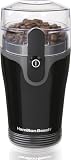
A good burr grinder (consistent fine grind) and fresh beans improve crema and clarity. A simple milk thermometer and a pitcher with a sharp spout make microfoam and latte art far easier.


Health and Nutritional Aspects
When indulging in these delicious drinks, it’s good to be mindful of their health and nutritional aspects, especially if you have dietary restrictions.
Latte
- Calories: A standard latte with whole milk can have about 150-200 calories per 8 oz.
- Dietary Considerations: Opt for skim, almond, or oat milk for a lower-calorie or dairy-free option.
Cappuccino
- Calories: Similar to a latte, but slightly less due to the higher foam content.
- Dietary Considerations: Use low-fat or plant-based milk to reduce calories and cater to dietary needs.
Macchiato
- Calories: Generally lower in calories, around 10-20, since it’s mostly espresso with a touch of milk.
- Dietary Considerations: Perfect for those watching their calorie intake or preferring a stronger coffee taste.
Remember, the key to enjoying latte vs cappuccino vs macchiato is moderation and customization to your dietary preferences. Whether you’re a fan of rich, creamy lattes, balanced cappuccinos, or bold macchiatos, there’s always a way to tailor them to your health and nutritional needs. Happy brewing!
Expert Tips for Enjoying These Espresso Drinks
To elevate your coffee experience, here are some expert tips that will make each sip even more delightful.
Coffee Bean Selection and Grinding
- Choose Quality Beans: Look for fresh, high-quality beans. Arabica beans are a great choice for their smooth, aromatic flavor.
- Grind to Perfection: Use a burr grinder for a consistent grind. For espresso, aim for a fine grind, similar to table salt.
Milk Frothing and Latte Art
- Frothing Milk: Use cold, fresh milk. Froth until it’s creamy with tiny bubbles, not too stiff or too runny.
- Latte Art: Start with a simple heart or leaf design. Pour the milk steadily and move the pitcher to create your pattern.
Pairing Suggestions
- With a Latte: Try a buttery croissant or a slice of banana bread. The mild coffee flavor complements sweet and light pastries.
- With a Cappuccino: Pair with a chocolate biscotti or almond cookie. The robust flavor of the cappuccino matches well with nutty or chocolatey treats.
- With a Macchiato: Enjoy with a dark chocolate square or a shortbread cookie. The strong espresso taste pairs beautifully with rich, sweet flavors.
Latte vs Cappuccino vs Macchiato: Conclusion
So, there you have it – the wonderful world of latte vs cappuccino vs macchiato. Each drink has its unique charm, from the creamy smoothness of a latte to the balanced richness of a cappuccino, and the bold simplicity of a macchiato.
Remember, coffee is a personal journey. Don’t be afraid to experiment with different beans, milk types, and flavors to discover what you truly love.
Whether you’re a seasoned coffee aficionado or just starting to explore, there’s always something new and exciting in every cup.
So go ahead, brew, sip, and find your perfect coffee match!
Frequently Asked Questions
-
Which is stronger, latte macchiato or cappuccino?
According to Majesty Coffee, a cappuccino is generally stronger than a latte macchiato. In a latte macchiato, the ratio of espresso to milk is lower, typically around 1:3 to 1:9. In contrast, a cappuccino has a higher ratio of espresso to milk, making it taste stronger and more coffee-forward.
-
Which coffee is stronger, cappuccino or latte?
As per Nescafe, a cappuccino is stronger than a latte. This is because a cappuccino has a higher proportion of espresso to milk compared to a latte. The latte is creamier and milder due to more steamed milk, whereas the cappuccino offers a more robust coffee flavor.
-
What’s the difference between a latte, a mocha, and a macchiato?
Artisan Coffee Access explains that the key differences lie in the ingredients and proportions:
Latte: More steamed milk and a light layer of foam, with a mild coffee flavor.
Mocha: Similar to a latte but with added chocolate syrup or powder, often topped with whipped cream.
Macchiato: Primarily espresso with just a small amount of milk or foam, offering a stronger coffee taste. -
Which is healthier, latte or macchiato?
Majesty Coffee notes that a macchiato is generally healthier than a latte in terms of calorie content. Lattes have more milk, which increases their calorie count. Macchiatos, with their higher espresso-to-milk ratio, are a lower-calorie option for those looking to enjoy an espresso-based beverage with fewer calories.