Key Takeaway:
- Brewing a perfectly balanced cup means understanding how “sourness in coffee” arises and how to tweak beans, roast, grind, water, and methods to dial it in for your taste.
Ever had a sip of your favorite brew and noticed a tangy, sour taste? You’re not alone. It’s a common experience to have sourness in coffee, but not always a welcome one.
Understanding what influences the sourness in coffee can help us brew a cup that’s just right for our taste buds. So, let’s dive into the world of coffee sourness and find out what’s really going on in our cups!


Understanding Coffee Sourness
So, what exactly do we mean when we say coffee is “sour”? Well, it’s all about the taste. Sourness in coffee is that sharp, tangy flavor that hits your tongue right away. It’s different from bitterness, which tends to linger at the back of your mouth. Sourness is upfront and bold, like biting into a fresh lemon.
But here’s the thing: sourness isn’t necessarily a bad thing. In fact, a hint of sourness can add complexity and depth to your coffee, making it more interesting and enjoyable. However, when it’s too overpowering, it can throw off the balance and leave you with a less-than-pleasant coffee experience.
Need a Few Simple Tools for Better Home Brewing?
Browse practical Amazon Basics coffee and kitchen gear for grinding, brewing, storing, and setting up your everyday coffee corner.
Paid link. As an Amazon Associate we earn from qualifying purchases.
In the next sections, we’ll explore the factors that contribute to sourness in coffee and how you can control them to brew a cup that’s just right for you. Ready to become a coffee sourness guru? Let’s get started!
1. The Role of Coffee Beans

When it comes to coffee sourness, not all beans are created equal. The type of bean and its origin can significantly influence the sourness of your brew.
Arabica vs Robusta
- Arabica Beans: Known for their sweet, delicate flavor and lower acidity. They’re less likely to produce a sour cup of coffee. However, they’re more expensive and require careful cultivation.
- Robusta Beans: These beans pack a punch with higher acidity and a stronger, more bitter flavor. They’re more likely to contribute to a sour taste in your coffee, but they’re also more affordable and easier to grow.
Bean Origin
The origin of the coffee bean can also play a role in sourness. Beans from different regions have distinct flavor profiles due to variations in climate, soil, and cultivation methods.
- African Beans: Known for their bright, fruity, and wine-like acidity. They can contribute to a sour taste if not brewed correctly.
- Latin American Beans: These beans often have a balanced flavor with moderate acidity, making them less likely to result in a sour cup.
- Asian Beans: Typically low in acidity with a strong, robust flavor. They’re less likely to produce a sour taste.
2. The Influence of Roasting Process

The roasting process is like the magic potion in the coffee world. It transforms green coffee beans into the aromatic brown beans we know and love. But how does roasting affect sourness in coffee?
Light Roast vs Dark Roast
- Light Roast: These beans are roasted for a shorter time, preserving the bean’s natural acidity. This can lead to a brighter, more acidic, and potentially sour flavor.
- Dark Roast: Roasted for a longer time, dark roasts reduce the bean’s natural acidity and increase bitterness. This can help balance out any potential sourness.
3. The Importance of Proper Extraction

Extraction is the process of pulling flavor from your coffee beans. It’s a delicate balance – too little or too much can lead to a sour or bitter brew.
Under-extraction vs Over-extraction
- Under-extraction: This happens when not enough flavor is extracted from the beans, often resulting in a sour taste. It can be caused by brewing too quickly, using too coarse a grind, or not using enough coffee.
- Over-extraction: This is when too much flavor is extracted, leading to a bitter taste. It can occur when brewing takes too long, the grind is too fine, or too much coffee is used.
Achieving Optimal Extraction
Here are some tips to achieve the perfect extraction:
- Grind Size: Adjust your grind size based on your brewing method and taste preference. A finer grind can increase extraction, reducing sourness.
- Brew Time: Experiment with your brew time. If your coffee is too sour, try brewing a little longer.
- Coffee-to-Water Ratio: Use the right amount of coffee for your water volume. A common starting point is a 1:15 coffee-to-water ratio, but feel free to adjust based on your taste.
Expert Insight: “I often recommend home brewers adjust one variable at a time—start with grind size—so you can clearly taste how each change impacts sourness,” says a coffee grader.
Remember, coffee brewing is an art. Don’t be afraid to experiment and find what works best for you!
3. The Impact of Brewing Methods
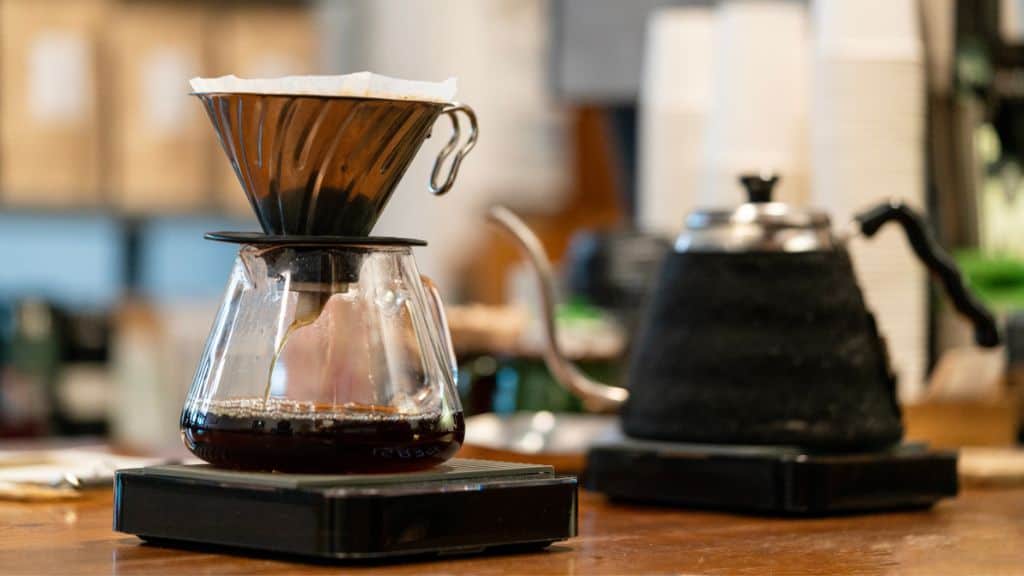
Just like a chef uses different cooking methods to bring out the best in their ingredients, we can use different brewing methods to influence the taste of our coffee. Let’s explore how these methods can affect sourness and how to tweak them for the perfect brew.
French Press
- Sourness Factor: The French Press can sometimes produce a slightly sour brew due to its full immersion brewing style and coarse grind size.
- Brewing Tip: If your French Press coffee is too sour, try steeping it for a bit longer or using a slightly finer grind.
Pour Over
- Sourness Factor: Pour over methods, like the Chemex or V60, can highlight the acidity in coffee, which might come off as sourness.
- Brewing Tip: To reduce sourness, ensure your water is the right temperature (195-205°F) and consider a longer brew time.
Espresso
- Sourness Factor: Espresso can be sour if the shot is pulled too quickly, leading to under-extraction.
- Brewing Tip: To avoid sour espresso, ensure your grind is fine enough and your shot is pulling for the right amount of time (usually 20-30 seconds).
4. The Role of Water in Brewing

Water is the unsung hero of the coffee world. It plays a crucial role in extracting flavors from the coffee grounds, including those that contribute to sourness.
Water Temperature
- Hot Stuff: Water that’s too cool can lead to under-extraction and a sour taste. Aim for a temperature between 195-205°F for optimal extraction.
Water Quality
- Pure and Simple: The quality of your water can affect the taste of your coffee. Hard water can lead to over-extraction and a bitter taste, while soft water can lead to under-extraction and sourness. Using filtered water can help achieve a balanced brew.
- What You Need to Know:
- pH Level: Neutral water (pH ~7) promotes balanced extraction. Acidic water (pH <7) can exaggerate sourness; overly alkaline water (pH >7) can mute flavors.
- Essential Minerals: Calcium and magnesium aid extraction—too little, and your brew under-extracts; too much, and you risk harshness.
- Practical Tip: Test your tap water’s pH and TDS (total dissolved solids) with an inexpensive kit. Aim for 75–150 ppm TDS.
5. How to Distinguish Between Bitterness and Sourness
Tasting coffee is like listening to a symphony – there are many notes, and distinguishing them can be a challenge. But with a little practice, you can learn to tell the difference between bitterness and sourness.
Bitterness
- Taste Test: Bitterness is a strong, harsh flavor that you’ll feel at the back of your tongue. It often lingers after you’ve swallowed your sip.
Sourness
- Taste Test: Sourness is a sharp, tangy flavor that hits you at the sides of your tongue. It’s usually the first taste you notice when you take a sip.
Balancing Act
- Pro Tip: If your coffee is too bitter, try a coarser grind or shorter brew time. If it’s too sour, try a finer grind or longer brew time. Remember, the goal is balance – a harmony of flavors that makes your coffee just right.
How to Distinguish Between Bitterness and Sourness
Tasting coffee is like listening to a symphony—notes blend, but you can train your palate.
- Bitterness: Strong, harsh, lingers at the back of your tongue.
- Sourness: Sharp, tangy, hits the sides of your tongue first.
Balancing Act: If coffee tastes too bitter, grind coarser or shorten brew time. If too sour, grind finer or lengthen brew time. The goal is harmony.
Frequently Asked Questions
-
Is sour the same as acidity in coffee?
No, sour and acidity in coffee are not the same, although they are often confused. Sourness in coffee is often associated with the pH value, but a lightly roasted sour coffee has the same pH as a bitter dark roast.
On the other hand, acidity is a description of the flavor profile. A coffee with acidity does not necessarily mean that it is sour. The coffee has a pH value of around 5, so it is generally sour, but a lightly roasted African coffee with a lot of perceptible acidity does not necessarily have a lower pH value than a dark roast with little acidity. -
Why does coffee get sour when cold?
As hot coffee cools, certain chemical reactions occur that can alter its taste. As hot coffee cools, lactones in the coffee break down to become carboxylic and chlorogenic acids.
These acids present themselves via a bitter/acidic flavor in the cup. This combined with the oxidization that is also occurring as coffee cools down just makes for a super unpleasant taste most of the time. -
Does sugar make coffee sour?
No, sugar does not make coffee sour. Sugar adds a sweet taste to coffee, not a sour taste. Sourness is a perception of acidity. In high enough quantities, sugar can overwhelm the perception of acidity.
However, if the sweetness (sugar) dissipates more quickly than the sourness (acids), you might be left with “more sourness than sweetness” in the aftertaste after some time. That is, you’re left with “un-masked” residual sourness which, though present all along, is more perceptible after the sugar has dissipated.


Conclusion
We’ve journeyed through the world of sourness in coffee, from the role of coffee beans and the influence of the roasting process, to the importance of proper extraction, the impact of brewing methods, and the crucial role of water in brewing. We’ve even learned how to distinguish between bitterness and sourness in coffee.
Remember, sourness in coffee isn’t necessarily a bad thing. It can add complexity and depth to your brew. But if it’s not to your liking, you now have the tools to tweak and experiment with your brewing process.
Whether it’s adjusting your grind size, changing your brewing method, or even trying out different coffee beans, there’s a whole world of coffee brewing to explore. So go ahead, don your barista apron, and start experimenting. Who knows? Your perfect cup of coffee might be just a brew away!
Happy brewing, coffee lovers! Here’s to less sourness and more joy in every cup. Cheers!